
THE diagnosis and consultation These assessments constitute an essential step in the management of pain and trauma of the musculoskeletal system. They allow for a precise understanding of the origin of symptoms, an evaluation of their severity, and the guidance of the patient towards the most appropriate solution.
The consultation is based on a attentive listeninga thorough clinical examination and, if necessary, the prescription of additional tests. This comprehensive and personalized approach aims to provide a reliable diagnosis, reassure the patient, and define a clear course of treatment, whether it is an emergency situation or a scheduled evaluation.
THE diagnosis and consultation These are key steps to understand the origin of pain and trauma to the musculoskeletal system, to assess its severity and to guide towards the appropriate treatment.
Based on careful listening, a precise clinical examination and, if necessary, additional tests, this personalized approach makes it possible to make a reliable diagnosis, reassure the patient and define a clear care pathway, in emergency as well as in scheduled consultation.
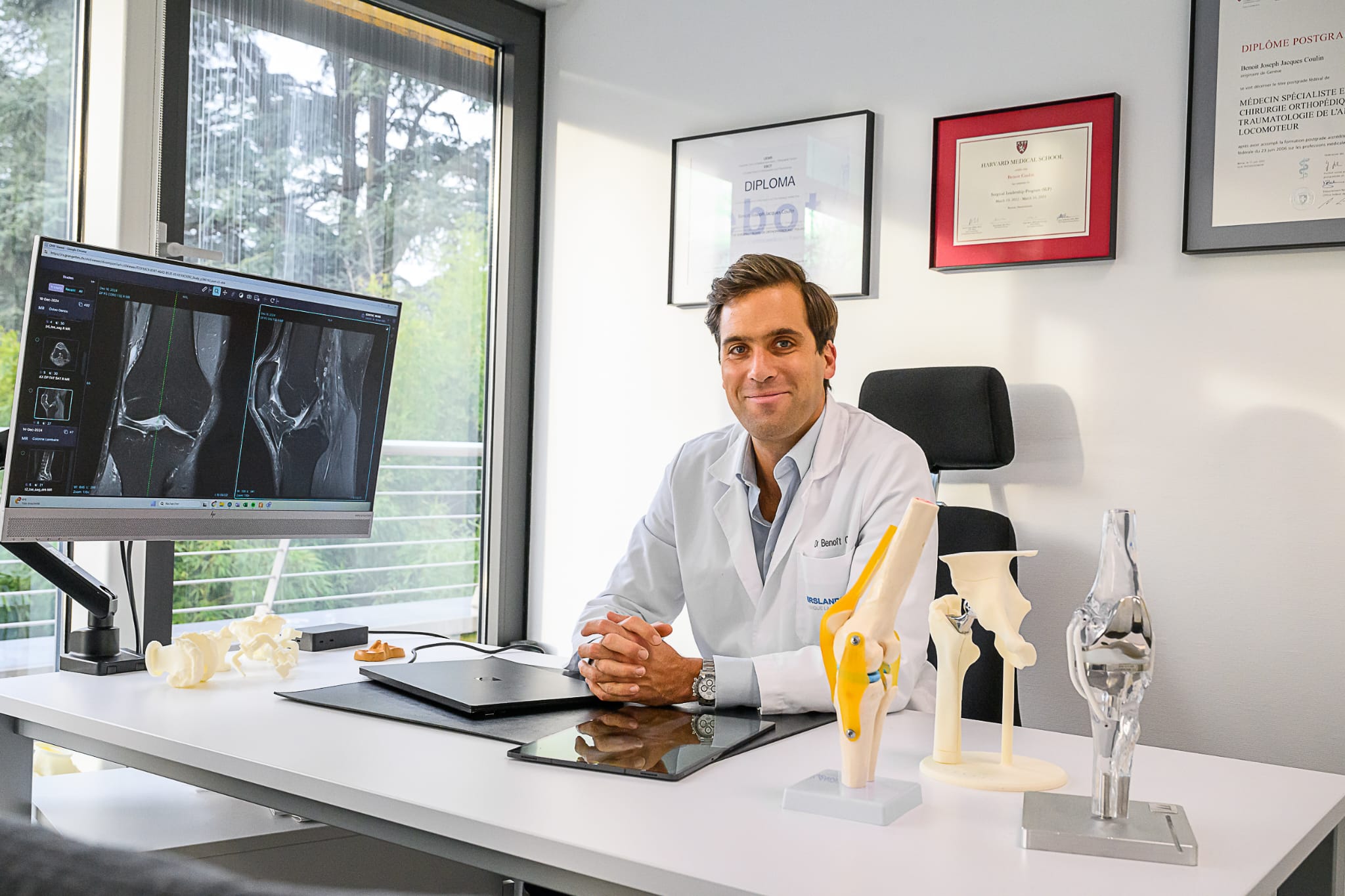
A specialist consultation is the starting point for any medical treatment. It allows for a precise analysis of symptoms, how they appear, how they develop over time, and their impact on the patient's daily life or sporting activities.
This discussion time is essential for understanding the overall context, taking medical history into account, and defining treatment priorities. It also helps to reassure the patient and answer their questions from the very first contact.
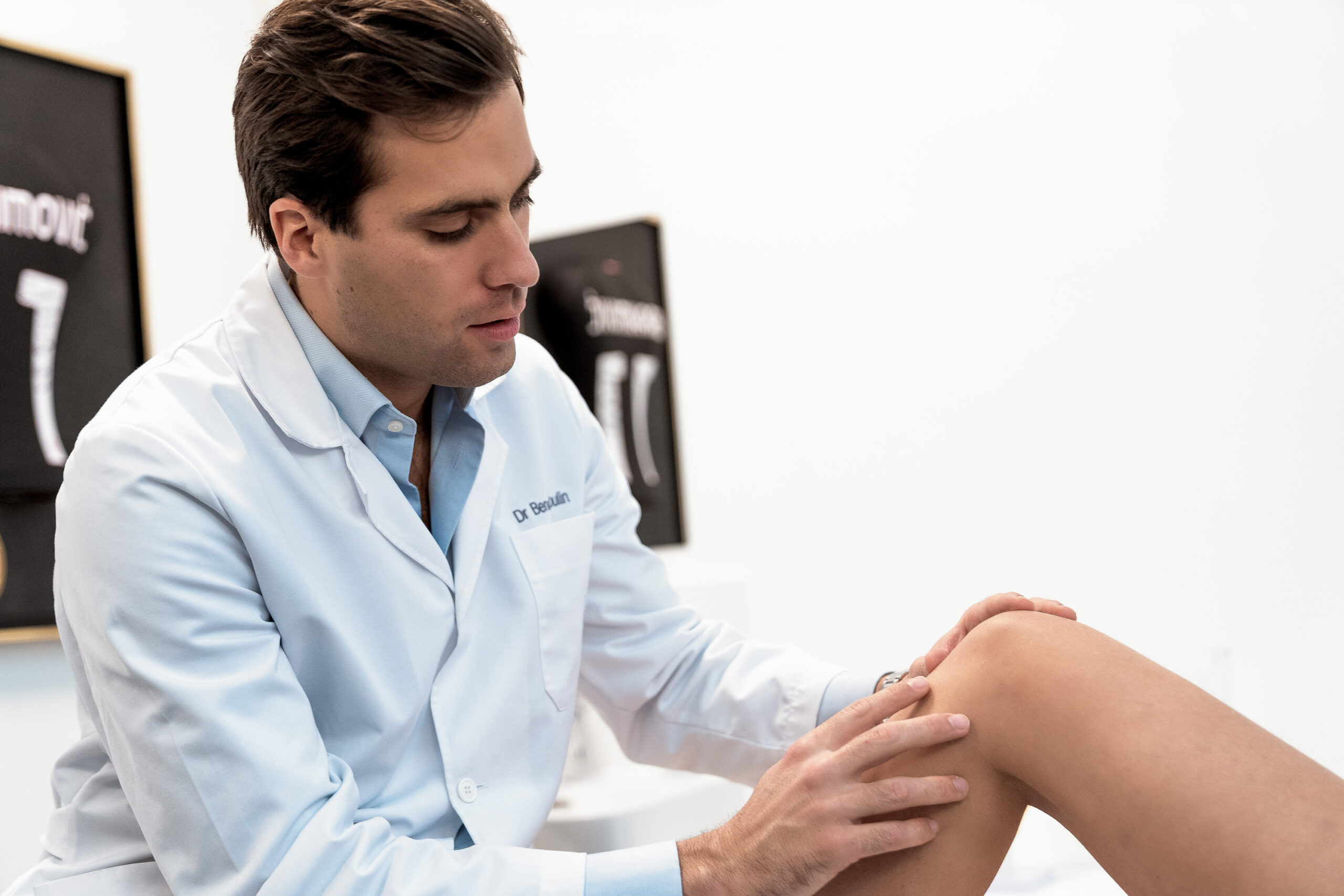
Clinical examination is a crucial step in diagnosis. It relies on a thorough evaluation of the affected joint, including observation, palpation, analysis of mobility, stability, and areas of pain.
Specific tests are performed to guide the diagnosis and identify any signs of severity. This thorough examination allows for the formulation of solid diagnostic hypotheses and guides further investigations.
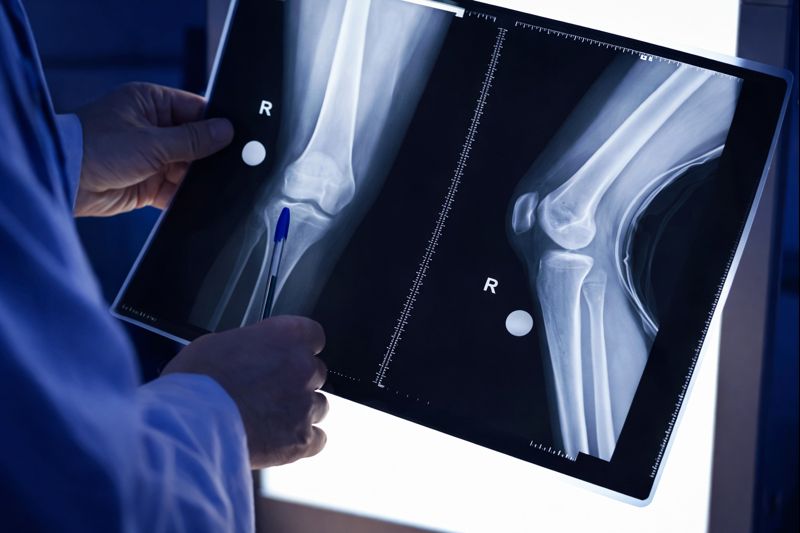
When a clinical examination is insufficient to establish a precise diagnosis, further tests may be prescribed. medical imaging allow for detailed exploration of bone and joint structures, and for the identification of any lesions that are invisible on clinical examination alone.
These examinations are requested in a targeted and reasoned manner, in order to provide the necessary information without multiplying unnecessary investigations. They contribute to a complete and reliable assessment of the situation.
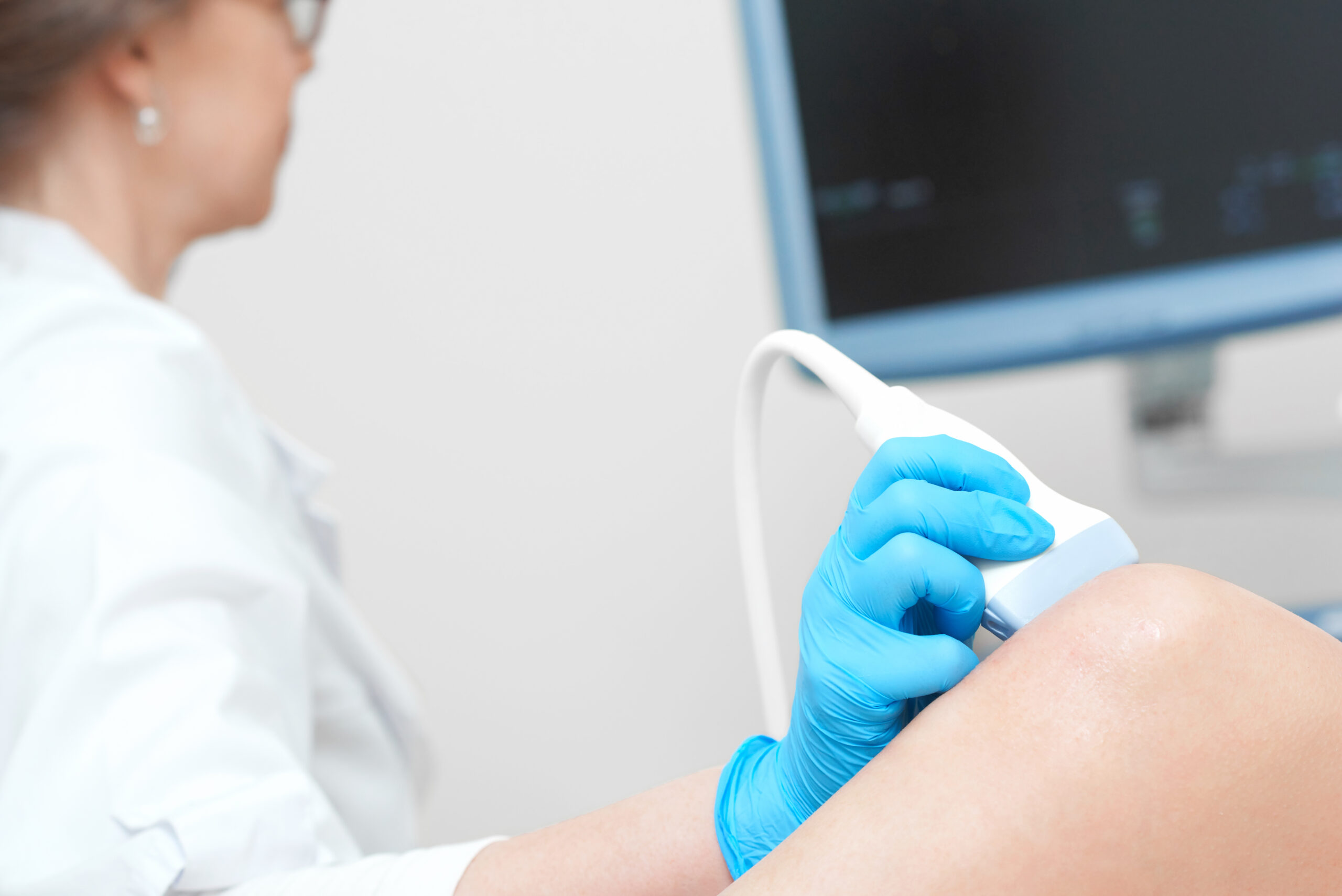
Following the consultation and diagnostic assessment, a personalized treatment plan is proposed. It takes into account the diagnosis, the severity of the injuries, the patient's functional goals, and their expectations.
Where possible, solutions non-surgical are preferred as a first-line treatment. The various treatment options are explained clearly and transparently, enabling informed decisions and appropriate support throughout the course of treatment.
We use cookies to improve your experience and analyze site traffic.
No medical data is collected via this site.
You can accept, decline, or customize your choice at any time.