
DIAGNOSTIC IMAGING

DIAGNOSTIC MEDICAL IMAGING

THE medical imaging are essential tools for accurately analyzing bone and joint structures, understanding the origin of pain, and assessing the extent of injuries. They provide a detailed view of the anatomy and reliably guide medical decisions.

Each imaging examination is chosen in a way targeted and personalized, depending on the symptoms, clinical context, and specific needs of the patient. X-rays, MRIs, CT scans, or ultrasounds provide additional information that is essential for making an accurate diagnosis and recommending appropriate treatment.

A reasoned and relevant use of imaging allows us toavoid unnecessary teststo gain efficiency and ensure quality medical follow-up, whether in an urgent context or a more scheduled evaluation.

Medical imaging allows for precise analysis of bones and joints in order to identify the origin of pain and assess lesions.
 
Each examination (X-ray, MRI, CT scan, ultrasound) is chosen in a personalized manner according to the symptoms and clinical context, as they are complementary in establishing a reliable diagnosis.
 
When used appropriately, imaging avoids unnecessary examinations, optimizes care and ensures quality medical follow-up, in both urgent and scheduled situations.
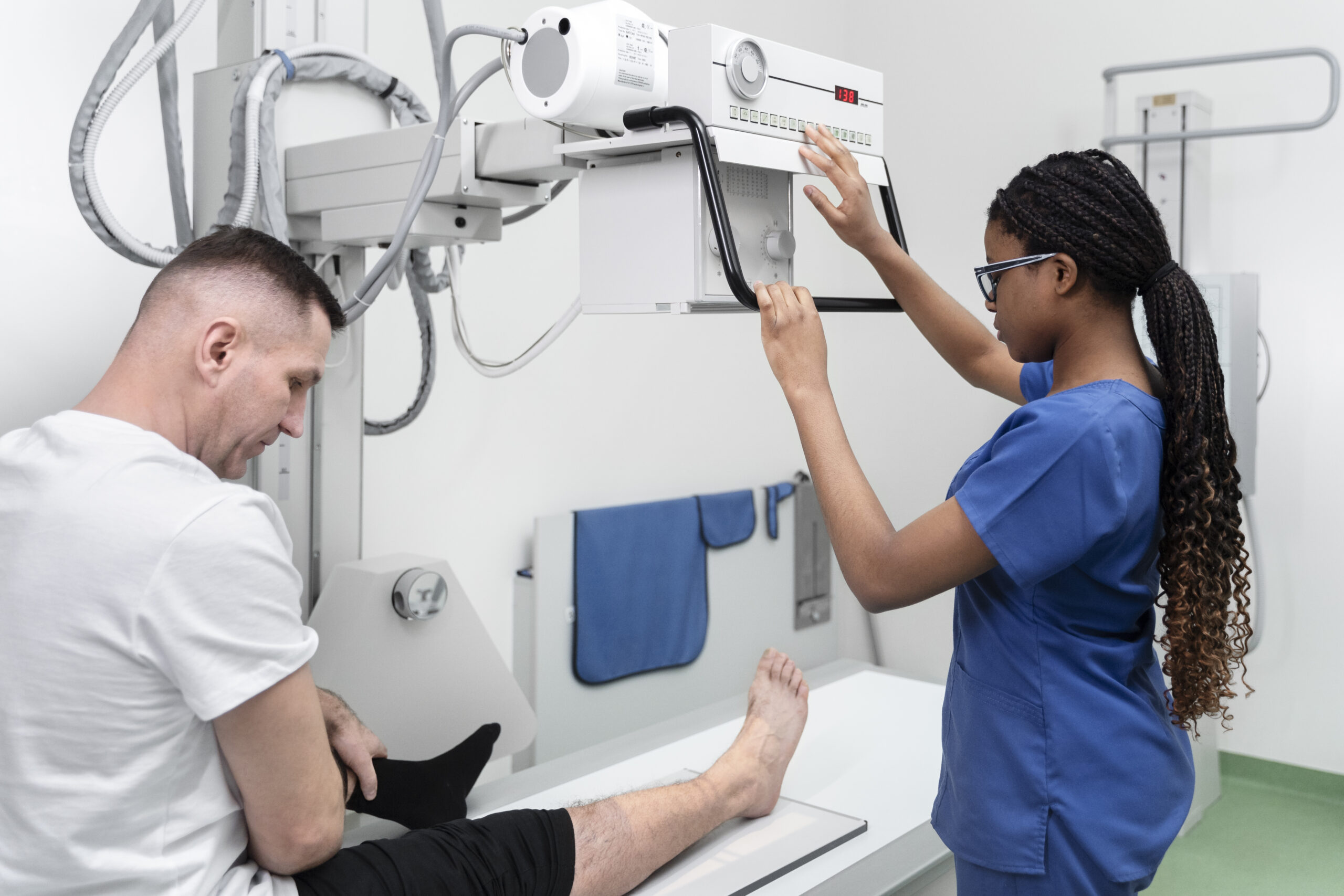

Standard X-ray

X-ray is a medical imaging examination commonly used for the analysis of bone structuresIt allows the detection of a fracture, a crack, an anomaly in joint alignment or signs of joint wear.

Quick and easily accessible, it often constitutes the first step of the diagnosisboth after trauma and in the context of persistent pain.

The information obtained guides the treatment and helps determine whether further examinations are necessary.

imagerie-radiographie
IRM imagerie

MRI

MRI (Magnetic Resonance Imaging) is a reference examination for the study of soft tissues and internal structures of the joints. It allows for precise analysis of ligaments, menisci, cartilage, muscles and tendons, without radiation.

MRI is particularly recommended when X-rays fail to explain the symptoms or when ligament, meniscus, or cartilage damage is suspected. It provides a detailed view of the joint and plays a key role in establishing a reliable diagnosis and determining treatment options.

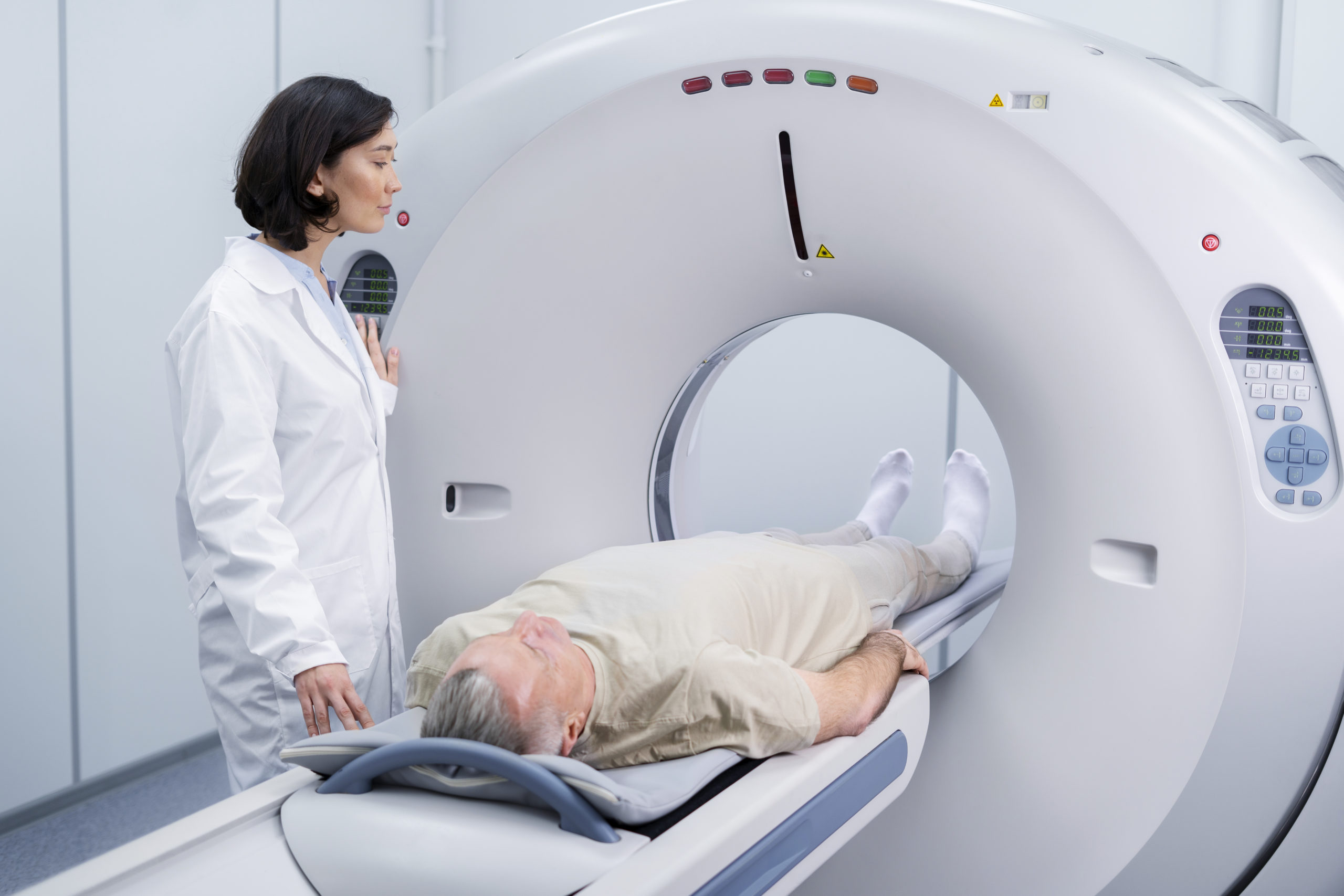
CT scan

A CT scan, or computed tomography scan, is an imaging examination that allows for Highly precise visualization of bone structures, thanks to cross-sectional images and three-dimensional reconstructions.
It is notably used to analyze complex fractures, bone abnormalities, or to supplement information obtained through radiography.

The scan provides essential data to refine the diagnosis and prepare appropriate medical or surgical treatment.

scanner-imagerie
cosultation-échographie-imagerie

Ultrasound scan

Ultrasound scan is a dynamic imaging examination that allows the exploration of superficial soft tissuessuch as tendons, muscles and periarticular structures. It can also highlight joint effusions or inflammatory phenomena.

Performed without radiation, ultrasound is a useful complementary examination for evaluating many musculoskeletal conditions. It allows for real-time analysis and can be used to guide certain diagnostic or therapeutic procedures.