
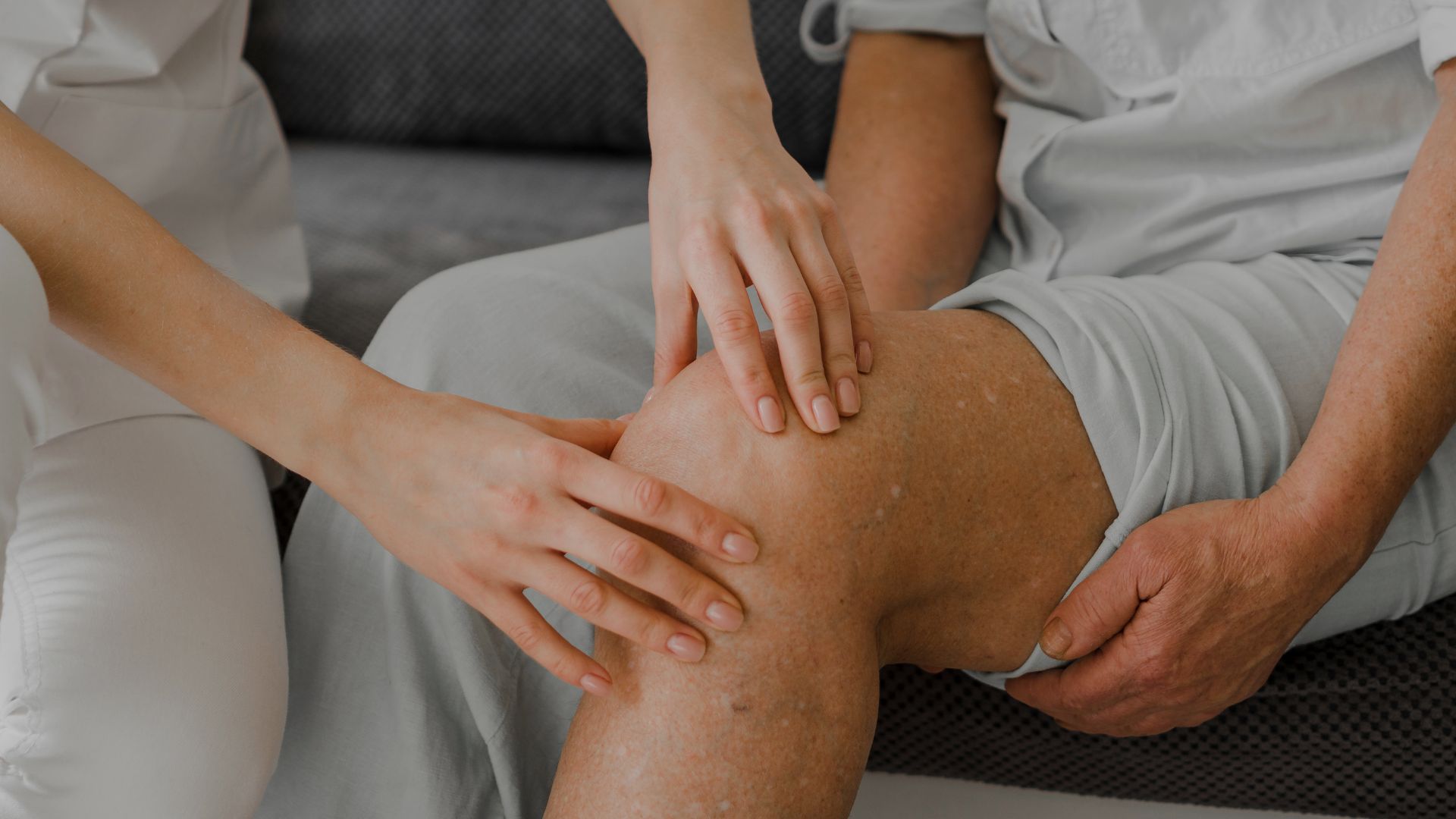
Pain that appears at the front of the knee, around or behind the kneecap, is very often related to a patellofemoral syndrome. It's bothersome, sometimes worrying, but rarely serious. The real challenge is to differentiate between this «mechanical» pain, which is easily treated, and an injury that requires prompt medical attention.
This page helps you know what to do now: recognize patellofemoral pain syndrome, relieve pain in the front of the knee, and spot the signs that require immediate medical attention.
Patellofemoral pain syndrome: is it an emergency?
In the vast majority of cases, No. Patellofemoral pain syndrome develops gradually, without falls or impacts, and does not endanger the knee. It warrants a scheduled consultation, not a trip to the emergency room.
However, pain in the front of the knee is not a patellofemoral syndrome If it occurs suddenly after trauma or is accompanied by unusual signs, you should consult a doctor quickly (see below).
How to recognize patellofemoral pain syndrome?
Typical signs include:
- pain at the front of the knee, around or behind the kneecap, often difficult to pinpoint;
- pain that increases in going down the stairs, by squatting or getting up from a chair;
- the « moviegoer's sign » : the pain appears after sitting for a long time with bent legs;
- discomfort during or after running, jumping, cycling or downhill hiking;
- sometimes cracking sounds without acute pain, and a feeling of a «tired» knee.
To learn more about these situations: knee pain on the stairs and kneecap pain. Pain in the front and inside of the knee, sometimes with a snapping sensation when bending it, can also come from a knee plica syndrome.
It's probably not patellofemoral pain syndrome if…
Some pain in the front of the knee has another cause and requires a Quick medical advice :
- the pain appeared all at once after a fall, a direct impact or a twist: see knee impact or fall ;
- the knee has swollen in the hours that follow: see knee swelling ;
- the kneecap has dislocated or you had the feeling that she was stepping out of her place;
- the knee locks and can no longer fully extend: see locked knee ;
- it is impossible to straighten leg or lifting it while it is stretched out (possible tendon injury);
- the knee is red, hot, with or without fever;
- The pain wakes you up at night or does not subside with rest.
Go to the emergency room immediately. in case of a deformed knee, very intense pain, total inability to put weight on it, or fever with a red and swollen knee.
What can be done now to relieve the pain?
If your symptoms resemble patellofemoral pain syndrome, these simple steps can help starting today:
- reduce for a few days, the movements that trigger the pain (going down stairs, squatting, jumping, running downhill), without completely stopping movement;
- Avoid sitting for long periods with your legs bent. : extend your leg or stand up regularly;
- apply ice 15 minutes after exertion if the knee is painful, protecting it with a cloth;
- keep an activity gentle and pain-free: walking on flat ground, cycling without resistance, swimming (avoiding breaststroke if it hurts);
- A simple pain reliever can provide temporary relief, according to the advice of your doctor or pharmacist.
These measures alleviate the pain but do not address the underlying cause. If the discomfort persists for more than two to three weeks, a consultation is advisable.
When should I make an appointment?
Make an appointment with a knee specialist if:
- the pain in the front of the knee has lasted for more than 2 to 3 weeks despite the relative rest;
- It prevents you from doing sports or hinders your daily activities;
- It returns every time activity resumes;
- You have doubts about the cause of the pain.
A consultation allows us to confirm the diagnosis, rule out other lesions (cartilage, tendon, meniscus) and start the correct treatment.
How is the diagnosis made?
The diagnosis is based primarily on the’clinical examination : location of the pain, movements that trigger it, alignment of the kneecap, strength and flexibility of the thigh and hip muscles.
A X-ray may be requested to study the position of the kneecap. A MRI is only useful if one suspects a cartilage damage or another cause, or if the pain persists despite treatment. To learn more: patellar chondropathy.
What treatment?
The treatment for patellofemoral syndrome is almost always without surgery. It is based on:
- a rehabilitation targeted with a physiotherapist: strengthening of thigh, buttock and trunk muscles, stretching, balance work;
- a adaptation of the activity for a few weeks, then a gradual resumption;
- Depending on the case: correction of the sporting movement, choice of shoes, insoles or taping of the patella.
Surgery is exceptional and reserved for specific situations, for example associated patellar instability.
How long does it take to heal?
Recent forms often improve in a few weeks. Long-standing pain generally requires several months rehabilitation. The earlier the intervention, the faster the recovery.
Frequently Asked Questions
IS PATELLOFEMORAL PAIN SYNDROME SERIOUS?
No. It doesn't endanger the knee and responds well to treatment, but it can become chronic if neglected. Appropriate rehabilitation allows most people to regain a pain-free knee.
CAN YOU KEEP PLAYING SPORT WITH PATELLOFEMORAL PAIN SYNDROME?
Yes, by adapting: we temporarily avoid movements that cause pain (jumping, going down, squatting) and we maintain pain-free activities. A full return to activity is gradual and pain-free.
SHOULD I HAVE AN MRI FOR PAIN IN THE FRONT OF THE KNEE?
Not always. Clinical examination is often sufficient. MRI is useful if another lesion is suspected or if the pain persists despite rehabilitation.
WHY DOES MY KNEE HURT WHEN I SIT FOR A LONG TIME?
This is the «moviegoer's sign,» typical of patellofemoral pain syndrome: when the knee is bent for a long time, pressure increases between the kneecap and the femur. Getting up regularly or extending the leg provides relief.
CAN A KNEE BRACE HELP?
A knee brace or patellar taping may relieve some patients during exertion, but they do not replace rehabilitation.
WHEN SHOULD I SEEK URGENT MEDICAL ASSISTANCE FOR PAIN IN THE FRONT OF THE KNEE?
After a fall or impact with rapid swelling, if the kneecap has dislocated, if the knee locks, if it is impossible to straighten the leg, or if the knee is red and hot with fever.