Blog

NEWS

Find the latest news from Dr. Coulin here : medical advances, new developments in orthopedics, practical advice, and information about our services. A space to better understand our approach and stay informed about everything that can improve your mobility and quality of life.
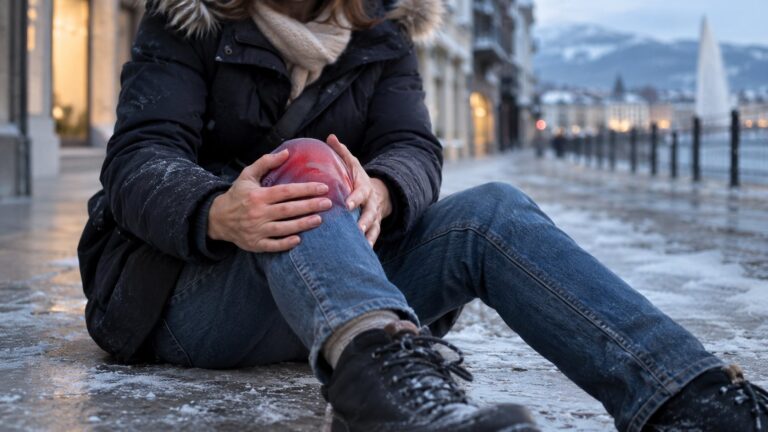
Patellar fracture: how to recognize it and what to do?

Falling on the knee, swelling, leg unable to straighten: the signs of a fractured kneecap, the right actions, diagnosis, treatment and recovery.

Knee injury in Geneva: emergency room, walk-in clinic or specialist, where to consult?

Injured knee in Geneva? Emergency services, walk-in clinics or knee specialists: where to consult depending on the severity, and what to bring to the consultation.

Knee injuries while snowboarding: what types and what to do?

Snowboarding and knees: sprains, cruciate ligament injuries, meniscus tears, kneecap fractures, or other knee injuries. The most common injuries, the right steps to take after a fall, and when to seek medical attention in Geneva.

Knee pain while skiing without falling: why and what to do?

Knee pain while skiing without having fallen? Patella, thigh fatigue, meniscus or poorly adjusted equipment: the causes, on-site solutions and when to consult in Geneva.

Knee injury sustained at a ski resort: should I get treatment there or return to Geneva?

Injured your knee at a ski resort? The right reflexes on the slope, what to ask the resort doctor and how to get seen quickly by a knee specialist in Geneva.

Knee pain at night or at rest: causes and solutions

Knee pain at night or at rest: osteoarthritis, meniscus, pes anserinus, inflammation. The causes, warning signs, and how to sleep better.

Knee plica syndrome: symptoms and treatment

Plica syndrome is an irritation of a fold of the membrane in the knee. Symptoms, diagnosis, treatment, and when to consider arthroscopy.
Pain behind the knee: popliteal cyst, meniscus, tendons, when to consult a doctor?

Pain behind the knee: popliteal cyst (Baker's cyst), meniscus, tendons or phlebitis? The causes, the warning signs and when to consult a doctor.

Sprain of the medial collateral ligament (MCL) of the knee: symptoms, duration, treatment

A sprain of the medial collateral ligament (MCL) is the most common knee injury in skiing. Symptoms, stages of severity, bracing, healing time, and when to seek medical help.

Hot, red and swollen knee: when is it an emergency?

Hot, red and swollen knee: bursitis, infection, gout? Causes, emergency signs, aspiration and treatments.

Knee or kneecap dislocates: dislocation, what to do?

Dislocated kneecap or kneecap: difference between patellar luxation and knee luxation, immediate actions, examinations, treatment and risk of recurrence.

Knee contusion: how long does it take to heal, what to do?

After a direct impact or a fall, a knee contusion is the most common injury. How long does it take to heal, what should you do in the first few days, and when should you consult a doctor?

Knee injury while skiing: what to do and when to consult a doctor?

A knee injury while skiing can occur after a fall, a twist, or an uncontrolled movement. Pain, swelling, or instability: discover the first steps to take, the signs to watch for, and the situations requiring prompt medical attention.

Hyperextension of the knee: what are the symptoms and what to do immediately?

Hyperextension of the knee occurs when the joint extends beyond its normal range of motion, often after a fall, impact, or improper weight-bearing. Depending on the severity of the trauma, it can cause simple pain or damage to the ligaments and other structures of the knee.

Locked knee: what are the causes and when should you seek medical help quickly?

A locked knee can be caused by a meniscus tear, swelling, or trauma. Discover the possible causes and when to seek medical help promptly.

Internal knee pain: what are the causes?

Pain on the inside of the knee can have several causes: meniscus tear, ligament damage, osteoarthritis, or overuse injury. Discover the main causes and signs to watch for.

When is knee surgery really necessary?

Knee surgery is not always necessary for pain, osteoarthritis, or injury. It is generally considered when symptoms become debilitating and conservative treatments are no longer sufficient.

How to choose between MRI, CT scan and X-ray?

When faced with joint pain or trauma, it is not always easy to know which examination to perform. MRI, CT scan, and X-ray do not explore the same structures: the choice depends on the suspected pathology and the symptoms.

Knee MRI: in what cases is it necessary?

An MRI of the knee allows for a precise examination of the ligaments, menisci, cartilage, and other structures of the joint. However, it is not always necessary in cases of pain: discover in which situations it is truly useful.

Knee pain when going up stairs: what does it mean?

Knee pain when climbing stairs is common and often related to the kneecap. Discover the possible causes and when to consult a doctor to prevent the condition from worsening.

Knee pain after a twist: ligament, meniscus or simply a wrong move?

After a knee sprain, the pain can originate from the ligaments, the meniscus, or a sudden, awkward movement. Learn how to tell the difference and when to consult a doctor.

Twisted knee or wrong move: what to do immediately?

A twisted knee or a sudden movement of the knee can cause sharp pain. Should you be worried? Find out what to do immediately and when to see a doctor.

Knee pain after sports: is this normal?

Knee pain after exercise is common, but it shouldn't be ignored. Overuse, injury, or the onset of osteoarthritis: discover the possible causes and when to consult a doctor.

Knee pain after a sprain: is this normal?

Knee pain after a sprain can persist for several weeks. Find out what's normal, the warning signs, and when to see a doctor.

Pain below the kneecap: common causes and treatment

Pain under the kneecap is often related to the patellar tendon or overuse. Discover the causes and solutions for effective relief.

Patellofemoral syndrome: pain at the front of the knee, what to do?

Patellofemoral pain syndrome is a common cause of pain in the front of the knee. Discover why it occurs and how to treat it effectively.

Kneecap pain: why and what to do?

Knee pain is common during exertion or while sitting. Discover the main causes and solutions for effective relief.

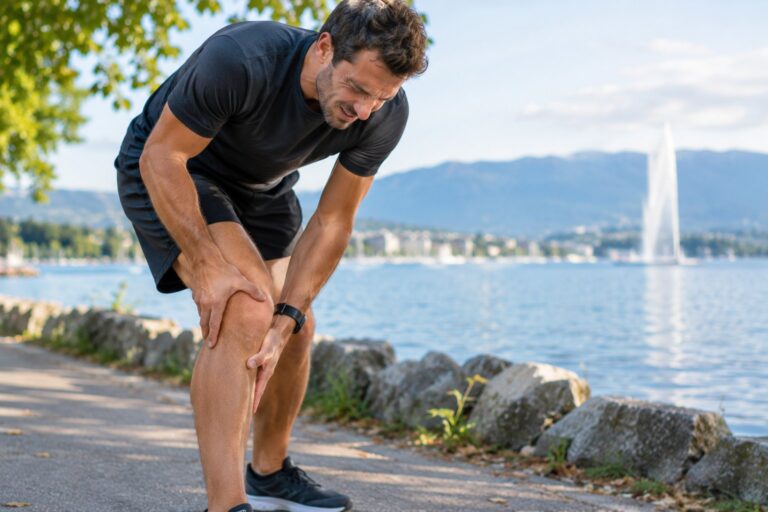
Knee injury: mistakes to avoid after trauma

After a knee injury, certain mistakes can worsen the situation. Discover the pitfalls to avoid and the right reflexes for a proper recovery.

Knee pain after a fall: should you be worried?

Knee pain after a fall is common, but it can sometimes mask an underlying injury. Learn about the signs to watch for and when to consult a doctor.

Knee swelling: why does it occur after exercise?

Knee swelling after exercise can be a simple reaction to exertion or a sign of a meniscus, ligament, or cartilage injury. Discover the possible causes, the warning signs, and when to consult a doctor.

Knee pain: what can be done for quick relief?

Do you have knee pain? Discover what to do immediately to relieve the pain and prevent it from getting worse, depending on the cause.

My knee has cracked: is it serious?

A knee that cracks during exertion, a fall, or a twist is often a cause for concern, especially if it swells afterward. This article explains when this cracking sound is harmless, when it indicates an injury, and when to seek medical help promptly.

Knee pain: common causes and when to consult a doctor?

Knee pain is common and can have many causes: sprain, injury, osteoarthritis, or overuse. Should you be worried about knee pain? Discover the most common causes and when to consult a doctor to prevent the condition from worsening.

Knee injury or fall: when should you worry?

After a blow to the knee or a fall, pain may appear immediately or later. Should you consult a doctor? Discover the signs to watch for and when to worry.

Why does my knee hurt? The most common causes explained

Knee pain can appear for no apparent reason or after exertion. Injury, arthritis, meniscus or ligament problems—the causes are numerous. Discover why your knee hurts and when to see a doctor.

Knee sprain: understanding the symptoms, assessing the severity and knowing when to seek emergency care

A knee sprain often occurs after a twist, a sudden movement, or a fall, and is accompanied by pain, swelling, and sometimes a feeling of instability. Learn how to assess its severity, the correct first aid measures, and when to seek emergency medical attention.

Femur fracture: a fracture requiring immediate medical attention

A fractured femur near the knee usually results from a violent trauma: sudden pain, inability to walk, and sometimes leg deformity. Discover the warning signs and why immediate medical attention is essential.

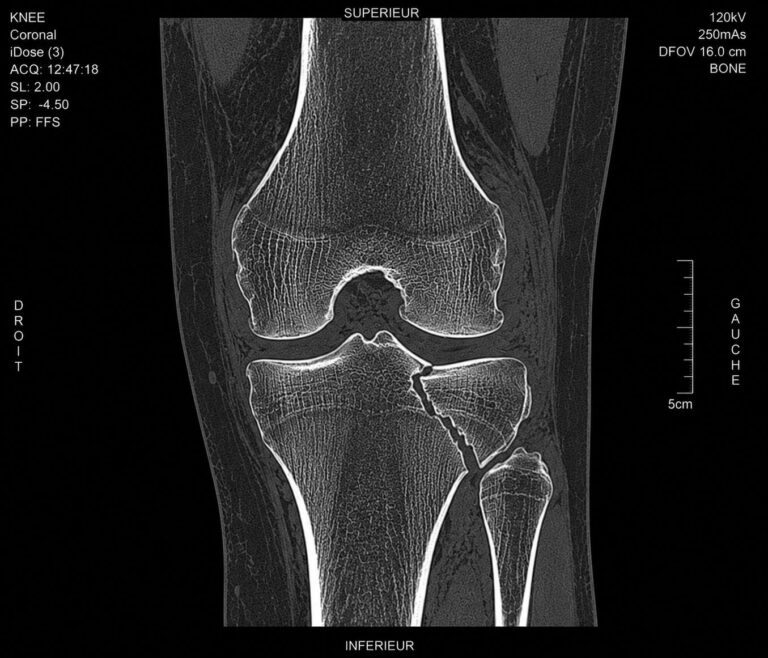
Tibial plateau fracture: a fracture requiring emergency treatment

A tibial plateau fracture directly affects the articular surface of the knee, often following a fall or accident, causing intense pain and an inability to bear weight. Learn how to recognize it, the possible treatments, and why you should seek urgent medical attention.

Open fractures: understanding the risks, treatments and management

An open fracture, where the broken bone communicates with a skin wound, is an emergency due to the risk of infection. Learn how to recognize it, the first aid measures to take, and how it is treated at the clinic.

Knee cartilage lesions: understanding the damage

A cartilage injury in the knee can follow an impact or twist and remain asymptomatic for a long time before causing pain, swelling, or locking. This article explains the causes, symptoms, and why early treatment protects the joint.

Degenerative meniscal lesions: understanding meniscus wear

Over the years, the meniscus wears down and can tear without any real trauma, causing pain, swelling, or knee locking. Learn how to recognize this injury, how it progresses, and what treatment options are available.

Traumatic meniscal tears: pain in the meniscus after an impact

Traumatic meniscal tears most often result from a sudden twisting motion of the knee, particularly during sports activities, in young people. They manifest as acute pain, sometimes joint locking, and may require conservative or surgical treatment depending on the severity.

Anterior cruciate ligament (ACL) injuries associated with other knee injuries

Anterior cruciate ligament (ACL) injuries are often accompanied by other knee problems: meniscus, cartilage, or collateral ligament. Discover which are the most common, how to identify them, and why they change the treatment approach.

Knee instability related to the anterior cruciate ligament: how to recognize it?

Knee instability, the sensation that the knee is giving way or buckling, is often linked to an anterior cruciate ligament (ACL) injury. This article explains how to recognize it, why it shouldn't be ignored, and when to consult a doctor.

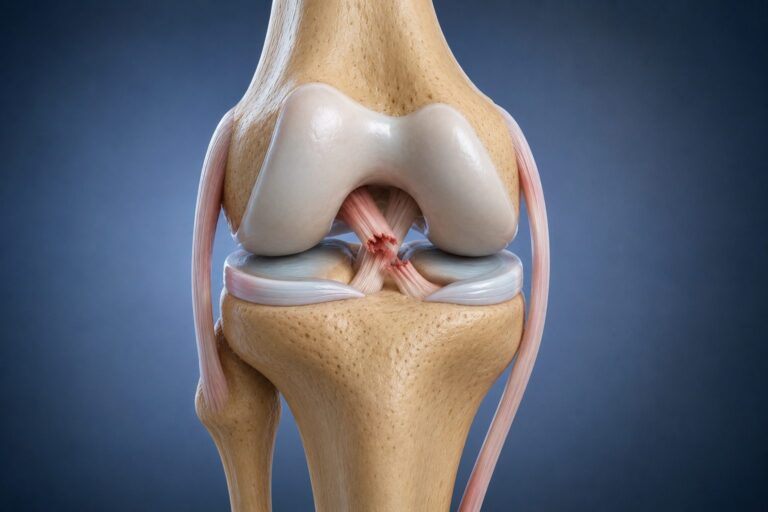
Anterior cruciate ligament (ACL) rupture: the unmistakable symptoms

A popping sound, a sharp pain, then a swollen and buckling knee: these are the typical signs of an anterior cruciate ligament (ACL) rupture. This article details the symptoms, the diagnosis, and why you shouldn't delay seeking medical help.

Anterior cruciate ligament (ACL) sprain: abnormal stretching of the ligament

An anterior cruciate ligament (ACL) sprain occurs when the ligament is stretched beyond its limits, often during a twisting of the knee. This article explains how to recognize it, distinguish it from a rupture, and what treatments to consider.

Stress fractures: understanding a common injury among athletes and learning how to prevent them

A stress fracture can occur without a fall, due to repeated stress on the bone, in runners or athletes who increase their training too quickly. Discover the first signs, risk factors, and how to prevent it.

Pathological fractures: definition, causes, symptoms and when to consult a doctor

A pathological fracture occurs in a bone that is already weakened, for example by osteoporosis or a tumor, sometimes after a minor impact. This article explains the causes, the symptoms that should raise concern, and when to seek immediate medical attention in Geneva.

Traumatic fractures: definition, symptoms and when to seek emergency care

A traumatic knee fracture results from a fall, a sports injury, or a direct impact, and is characterized by sharp pain and often rapid swelling. Learn about the warning signs, useful examinations, and when to seek emergency medical attention.

Patella Surgery : Indications, Techniques, and Recovery

Pain in the front of the knee, instability or repeated dislocations? Sometimes surgery becomes the best option. When should the kneecap be operated? What are the possible techniques? And how does the recovery take place? A complete point to better understand this targeted intervention.

Patellar fracture: how to recognize it and what to do?

Falling on the knee, swelling, leg unable to straighten: the signs of a fractured kneecap, the right actions, diagnosis, treatment and recovery.

Femur fracture: a fracture requiring immediate medical attention

A fractured femur near the knee usually results from a violent trauma: sudden pain, inability to walk, and sometimes leg deformity. Discover the warning signs and why immediate medical attention is essential.

Tibial plateau fracture: a fracture requiring emergency treatment

A tibial plateau fracture directly affects the articular surface of the knee, often following a fall or accident, causing intense pain and an inability to bear weight. Learn how to recognize it, the possible treatments, and why you should seek urgent medical attention.

Open fractures: understanding the risks, treatments and management

An open fracture, where the broken bone communicates with a skin wound, is an emergency due to the risk of infection. Learn how to recognize it, the first aid measures to take, and how it is treated at the clinic.

Stress fractures: understanding a common injury among athletes and learning how to prevent them

A stress fracture can occur without a fall, due to repeated stress on the bone, in runners or athletes who increase their training too quickly. Discover the first signs, risk factors, and how to prevent it.

Pathological fractures: definition, causes, symptoms and when to consult a doctor

A pathological fracture occurs in a bone that is already weakened, for example by osteoporosis or a tumor, sometimes after a minor impact. This article explains the causes, the symptoms that should raise concern, and when to seek immediate medical attention in Geneva.

Traumatic fractures: definition, symptoms and when to seek emergency care

A traumatic knee fracture results from a fall, a sports injury, or a direct impact, and is characterized by sharp pain and often rapid swelling. Learn about the warning signs, useful examinations, and when to seek emergency medical attention.

Fracture surgery : when is it necessary to intervene?

Not all fractures require surgery but some cannot do without it. Mobility, alignment, consolidation: surgery sometimes ensures optimal recovery and avoids long-term complications. Here are the cases in which it is necessary.

Pain behind the knee: popliteal cyst, meniscus, tendons, when to consult a doctor?

Pain behind the knee: popliteal cyst (Baker's cyst), meniscus, tendons or phlebitis? The causes, the warning signs and when to consult a doctor.

Locked knee: what are the causes and when should you seek medical help quickly?

A locked knee can be caused by a meniscus tear, swelling, or trauma. Discover the possible causes and when to seek medical help promptly.

Internal knee pain: what are the causes?

Pain on the inside of the knee can have several causes: meniscus tear, ligament damage, osteoarthritis, or overuse injury. Discover the main causes and signs to watch for.

Knee pain after a twist: ligament, meniscus or simply a wrong move?

After a knee sprain, the pain can originate from the ligaments, the meniscus, or a sudden, awkward movement. Learn how to tell the difference and when to consult a doctor.

Knee pain after sports: is this normal?

Knee pain after exercise is common, but it shouldn't be ignored. Overuse, injury, or the onset of osteoarthritis: discover the possible causes and when to consult a doctor.

Degenerative meniscal lesions: understanding meniscus wear

Over the years, the meniscus wears down and can tear without any real trauma, causing pain, swelling, or knee locking. Learn how to recognize this injury, how it progresses, and what treatment options are available.

Traumatic meniscal tears: pain in the meniscus after an impact

Traumatic meniscal tears most often result from a sudden twisting motion of the knee, particularly during sports activities, in young people. They manifest as acute pain, sometimes joint locking, and may require conservative or surgical treatment depending on the severity.

Meniscus surgery : when is it necessary to operate?

A meniscal tear is not always synonymous with surgery, but it can become one. Pain, blockage, persistent discomfort: some signs should alert. When to prioritize conservative treatment? When to consider surgery? A clear point to make the right decision.

Knee pain at night or at rest: causes and solutions

Knee pain at night or at rest: osteoarthritis, meniscus, pes anserinus, inflammation. The causes, warning signs, and how to sleep better.

Knee cartilage lesions: understanding the damage

A cartilage injury in the knee can follow an impact or twist and remain asymptomatic for a long time before causing pain, swelling, or locking. This article explains the causes, symptoms, and why early treatment protects the joint.

Arthroscopy : high-precision, minimally invasive surgery

What if we could operate without opening? Arthroscopy makes it possible to explore and treat the inside of a joint thanks to a miniaturized camera. Less invasive, more precise, it promotes rapid recovery with minimal scarring.

Patellar fracture: how to recognize it and what to do?

Falling on the knee, swelling, leg unable to straighten: the signs of a fractured kneecap, the right actions, diagnosis, treatment and recovery.

Knee pain while skiing without falling: why and what to do?

Knee pain while skiing without having fallen? Patella, thigh fatigue, meniscus or poorly adjusted equipment: the causes, on-site solutions and when to consult in Geneva.

Knee plica syndrome: symptoms and treatment

Plica syndrome is an irritation of a fold of the membrane in the knee. Symptoms, diagnosis, treatment, and when to consider arthroscopy.

Knee or kneecap dislocates: dislocation, what to do?

Dislocated kneecap or kneecap: difference between patellar luxation and knee luxation, immediate actions, examinations, treatment and risk of recurrence.

Knee pain when going up stairs: what does it mean?

Knee pain when climbing stairs is common and often related to the kneecap. Discover the possible causes and when to consult a doctor to prevent the condition from worsening.

Pain below the kneecap: common causes and treatment

Pain under the kneecap is often related to the patellar tendon or overuse. Discover the causes and solutions for effective relief.

Patellofemoral syndrome: pain at the front of the knee, what to do?

Patellofemoral pain syndrome is a common cause of pain in the front of the knee. Discover why it occurs and how to treat it effectively.

Kneecap pain: why and what to do?

Knee pain is common during exertion or while sitting. Discover the main causes and solutions for effective relief.

Patella Surgery : Indications, Techniques, and Recovery

Pain in the front of the knee, instability or repeated dislocations? Sometimes surgery becomes the best option. When should the kneecap be operated? What are the possible techniques? And how does the recovery take place? A complete point to better understand this targeted intervention.

Knee MRI: in what cases is it necessary?

An MRI of the knee allows for a precise examination of the ligaments, menisci, cartilage, and other structures of the joint. However, it is not always necessary in cases of pain: discover in which situations it is truly useful.

Knee pain after a twist: ligament, meniscus or simply a wrong move?

After a knee sprain, the pain can originate from the ligaments, the meniscus, or a sudden, awkward movement. Learn how to tell the difference and when to consult a doctor.

Twisted knee or wrong move: what to do immediately?

A twisted knee or a sudden movement of the knee can cause sharp pain. Should you be worried? Find out what to do immediately and when to see a doctor.

Knee pain after a sprain: is this normal?

Knee pain after a sprain can persist for several weeks. Find out what's normal, the warning signs, and when to see a doctor.

My knee has cracked: is it serious?

A knee that cracks during exertion, a fall, or a twist is often a cause for concern, especially if it swells afterward. This article explains when this cracking sound is harmless, when it indicates an injury, and when to seek medical help promptly.

Knee sprain: understanding the symptoms, assessing the severity and knowing when to seek emergency care

A knee sprain often occurs after a twist, a sudden movement, or a fall, and is accompanied by pain, swelling, and sometimes a feeling of instability. Learn how to assess its severity, the correct first aid measures, and when to seek emergency medical attention.

Anterior cruciate ligament (ACL) injuries associated with other knee injuries

Anterior cruciate ligament (ACL) injuries are often accompanied by other knee problems: meniscus, cartilage, or collateral ligament. Discover which are the most common, how to identify them, and why they change the treatment approach.

Knee instability related to the anterior cruciate ligament: how to recognize it?

Knee instability, the sensation that the knee is giving way or buckling, is often linked to an anterior cruciate ligament (ACL) injury. This article explains how to recognize it, why it shouldn't be ignored, and when to consult a doctor.

Anterior cruciate ligament (ACL) rupture: the unmistakable symptoms

A popping sound, a sharp pain, then a swollen and buckling knee: these are the typical signs of an anterior cruciate ligament (ACL) rupture. This article details the symptoms, the diagnosis, and why you shouldn't delay seeking medical help.

Anterior cruciate ligament (ACL) sprain: abnormal stretching of the ligament

An anterior cruciate ligament (ACL) sprain occurs when the ligament is stretched beyond its limits, often during a twisting of the knee. This article explains how to recognize it, distinguish it from a rupture, and what treatments to consider.

Anterior cruciate ligament surgery: why, when and how to intervene?

A sagging knee, persistent instability... and often, a question: should we operate? The rupture of the anterior cruciate ligament is not always synonymous with surgery, but certain situations require it. Here’s how to decide when the right time is and what to expect if the intervention is necessary.

Patellar fracture: how to recognize it and what to do?

Falling on the knee, swelling, leg unable to straighten: the signs of a fractured kneecap, the right actions, diagnosis, treatment and recovery.

Knee injury in Geneva: emergency room, walk-in clinic or specialist, where to consult?

Injured knee in Geneva? Emergency services, walk-in clinics or knee specialists: where to consult depending on the severity, and what to bring to the consultation.

Knee injuries while snowboarding: what types and what to do?

Snowboarding and knees: sprains, cruciate ligament injuries, meniscus tears, kneecap fractures, or other knee injuries. The most common injuries, the right steps to take after a fall, and when to seek medical attention in Geneva.

Knee injury sustained at a ski resort: should I get treatment there or return to Geneva?

Injured your knee at a ski resort? The right reflexes on the slope, what to ask the resort doctor and how to get seen quickly by a knee specialist in Geneva.

Sprain of the medial collateral ligament (MCL) of the knee: symptoms, duration, treatment

A sprain of the medial collateral ligament (MCL) is the most common knee injury in skiing. Symptoms, stages of severity, bracing, healing time, and when to seek medical help.

Hot, red and swollen knee: when is it an emergency?

Hot, red and swollen knee: bursitis, infection, gout? Causes, emergency signs, aspiration and treatments.

Knee or kneecap dislocates: dislocation, what to do?

Dislocated kneecap or kneecap: difference between patellar luxation and knee luxation, immediate actions, examinations, treatment and risk of recurrence.

Knee contusion: how long does it take to heal, what to do?

After a direct impact or a fall, a knee contusion is the most common injury. How long does it take to heal, what should you do in the first few days, and when should you consult a doctor?

Knee injury while skiing: what to do and when to consult a doctor?

A knee injury while skiing can occur after a fall, a twist, or an uncontrolled movement. Pain, swelling, or instability: discover the first steps to take, the signs to watch for, and the situations requiring prompt medical attention.

Hyperextension of the knee: what are the symptoms and what to do immediately?

Hyperextension of the knee occurs when the joint extends beyond its normal range of motion, often after a fall, impact, or improper weight-bearing. Depending on the severity of the trauma, it can cause simple pain or damage to the ligaments and other structures of the knee.

When is knee surgery really necessary?

Knee surgery is not always necessary for pain, osteoarthritis, or injury. It is generally considered when symptoms become debilitating and conservative treatments are no longer sufficient.

How to choose between MRI, CT scan and X-ray?

When faced with joint pain or trauma, it is not always easy to know which examination to perform. MRI, CT scan, and X-ray do not explore the same structures: the choice depends on the suspected pathology and the symptoms.

Twisted knee or wrong move: what to do immediately?

A twisted knee or a sudden movement of the knee can cause sharp pain. Should you be worried? Find out what to do immediately and when to see a doctor.

Knee injury: mistakes to avoid after trauma

After a knee injury, certain mistakes can worsen the situation. Discover the pitfalls to avoid and the right reflexes for a proper recovery.

Knee pain after a fall: should you be worried?

Knee pain after a fall is common, but it can sometimes mask an underlying injury. Learn about the signs to watch for and when to consult a doctor.

Knee swelling: why does it occur after exercise?

Knee swelling after exercise can be a simple reaction to exertion or a sign of a meniscus, ligament, or cartilage injury. Discover the possible causes, the warning signs, and when to consult a doctor.

Knee pain: what can be done for quick relief?

Do you have knee pain? Discover what to do immediately to relieve the pain and prevent it from getting worse, depending on the cause.

Knee pain: common causes and when to consult a doctor?

Knee pain is common and can have many causes: sprain, injury, osteoarthritis, or overuse. Should you be worried about knee pain? Discover the most common causes and when to consult a doctor to prevent the condition from worsening.

Knee injury or fall: when should you worry?

After a blow to the knee or a fall, pain may appear immediately or later. Should you consult a doctor? Discover the signs to watch for and when to worry.

Why does my knee hurt? The most common causes explained

Knee pain can appear for no apparent reason or after exertion. Injury, arthritis, meniscus or ligament problems—the causes are numerous. Discover why your knee hurts and when to see a doctor.

Knee sprain: understanding the symptoms, assessing the severity and knowing when to seek emergency care

A knee sprain often occurs after a twist, a sudden movement, or a fall, and is accompanied by pain, swelling, and sometimes a feeling of instability. Learn how to assess its severity, the correct first aid measures, and when to seek emergency medical attention.

Femur fracture: a fracture requiring immediate medical attention

A fractured femur near the knee usually results from a violent trauma: sudden pain, inability to walk, and sometimes leg deformity. Discover the warning signs and why immediate medical attention is essential.

Tibial plateau fracture: a fracture requiring emergency treatment

A tibial plateau fracture directly affects the articular surface of the knee, often following a fall or accident, causing intense pain and an inability to bear weight. Learn how to recognize it, the possible treatments, and why you should seek urgent medical attention.

Open fractures: understanding the risks, treatments and management

An open fracture, where the broken bone communicates with a skin wound, is an emergency due to the risk of infection. Learn how to recognize it, the first aid measures to take, and how it is treated at the clinic.

Traumatic meniscal tears: pain in the meniscus after an impact

Traumatic meniscal tears most often result from a sudden twisting motion of the knee, particularly during sports activities, in young people. They manifest as acute pain, sometimes joint locking, and may require conservative or surgical treatment depending on the severity.

Muscle and tendon tears: when should intervention be necessary?

Not all tears require surgery, but some cannot heal without it. When the lesion is extensive or poorly healed, surgical management may be required to regain strength, mobility and function. Here is how to evaluate the need for it.