
Pain behind the knee: what are we talking about?
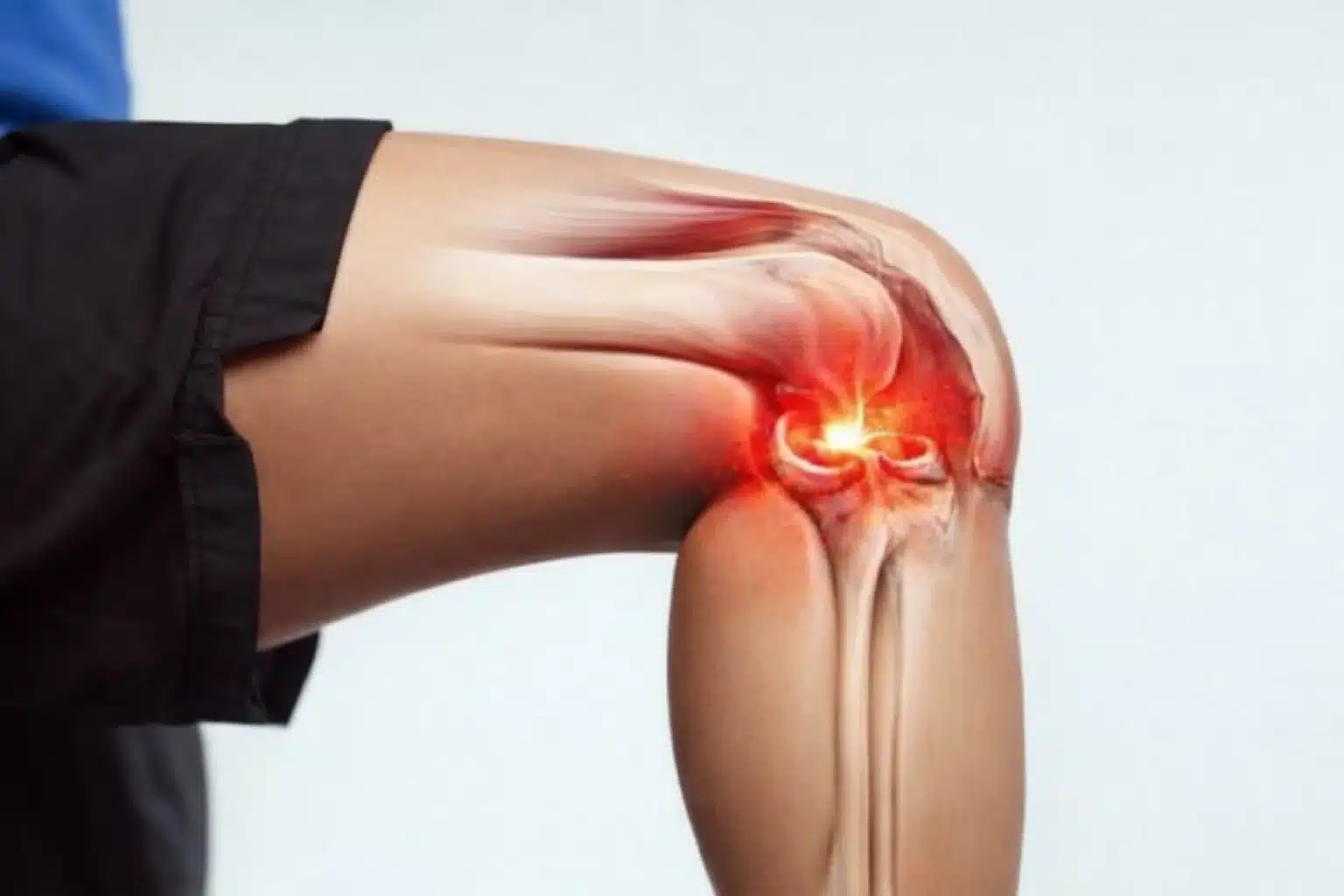
The hollow located behind the knee is called the popliteal fossa. Several structures intersect there: the posterior part of the menisci, The tendons of the hamstrings and calf, blood vessels and nerves. Pain in this area can therefore have very different origins.
In most cases, it's a minor problem, related to exertion or wear and tear. However, some causes need to be recognized quickly, particularly phlebitis, which can cause pain behind the knee and in the calf.
To help determine the cause, three questions are useful: Did the pain appear suddenly or gradually? Is it related to exertion, squatting, or walking? Is there a lump behind the knee, a swollen calf, or difficulty fully bending the leg?
The popliteal cyst, or Baker's cyst
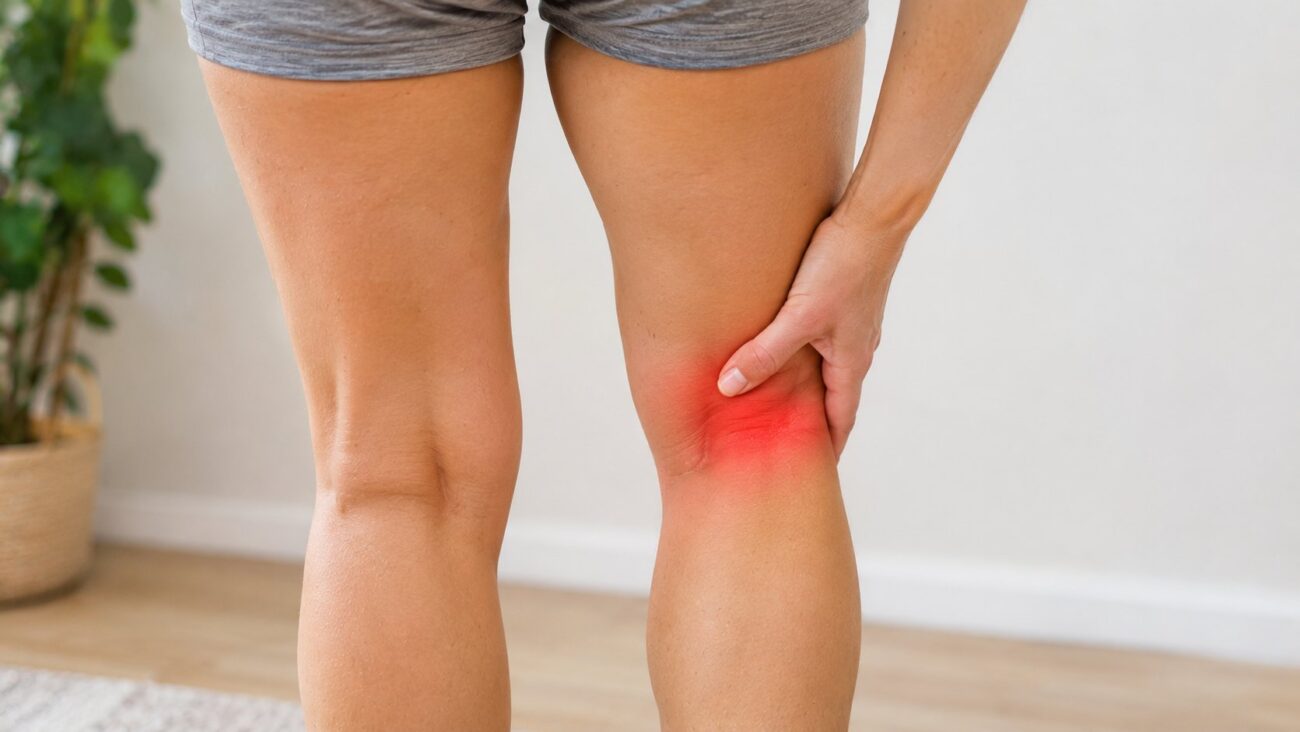
A popliteal cyst is a pocket of joint fluid that forms at the back of the knee. It appears when the knee produces too much fluid, in response to another injury: cartilage wear, meniscus tear, osteoarthritis, or inflammation.
Typical signs
A popliteal cyst most often manifests itself in the following way:
- a soft lump behind the knee, more visible when the leg is straight;
- a feeling of tension or discomfort when bending the knee completely;
- pain that increases after exertion or prolonged standing.
These signs are not always sufficient to make a diagnosis: an ultrasound can confirm it.
What to do?
The cyst itself is not dangerous. Treatment primarily targets the underlying cause of the excessive fluid buildup in the knee. An ultrasound confirms the diagnosis, and a MRI search for the lesion that caused the cyst.
Attention : A cyst can rupture. The fluid then leaks into the calf, which suddenly becomes painful, swollen, and sometimes bluish. These signs resemble those of phlebitis and require immediate medical attention.
Other causes of pain behind the knee
1. A lesion of the posterior horn of the meniscus
The posterior part of the meniscus is most often affected. Pain occurs mainly when squatting, standing up, or during rotations, sometimes with locking. See Degenerative lesions of the meniscus.
2. Hamstring or calf tendonitis
Common among runners and cyclists, it causes pain during exertion, on the back of the knee, which subsides with rest. It is often linked to an excessively rapid increase in training.
3. A muscle tear
A sudden pain in the back of the thigh or upper calf, during a sprint or acceleration, suggests a muscle tear.
4. Osteoarthritis
Cartilage wear can cause diffuse pain, sometimes felt in the back of the knee, with stiffness in the morning or after sitting.
Phlebitis: the diagnosis not to be missed
Phlebitis (venous thrombosis) is a blood clot that blocks a vein in the leg. It can cause pain behind the knee or in the calf. It requires prompt treatment because the clot can travel to the lungs.
It is more likely after immobilization (cast, splint, bed rest), recent surgery, a long journey by plane or car, while on the contraceptive pill, or during pregnancy.
Seek urgent care If the calf is swollen, hot, painful to the touch, or if shortness of breath or chest pain develops, call 144.
How is the diagnosis made?
The clinical examination helps determine the cause: exact location of the pain, movements that trigger it, presence of a lump or swelling. Depending on the case, the doctor may order an ultrasound (cyst, tendons, veins), an MRI (meniscus, cartilage), or an X-ray (osteoarthritis).
Ultrasound is often the first examination: quick and radiation-free, it shows a cyst, the condition of the tendons, and, with Doppler, blood flow in the veins. MRI is requested when a meniscus or cartilage lesion is suspected, particularly in the presence of a cyst, which almost always indicates a problem inside the knee.
In case of suspected phlebitis, a venous Doppler ultrasound is performed as a priority, on the same day.
What should I do while waiting for the consultation?
While waiting to be examined, a few simple actions can provide relief:
- reduce activities that trigger pain, without remaining immobile;
- apply cold 15 to 20 minutes after exertion;
- avoid prolonged squatting positions;
- If you have been immobilized recently, do not wait: a painful calf should be examined.
For more practical advice, see Knee pain: what can be done to relieve it?.
A soft knee brace can provide some comfort during the day, without needing to be worn constantly. Stationary cycling without resistance and swimming are generally well tolerated and help maintain mobility. However, avoid forced stretching of the back of the knee until the cause is known: in the case of a cyst or tear, it can worsen the pain.
When to consult a doctor?
Certain situations warrant prompt consultation:
- swollen, hot or painful calf: on the same day;
- lump behind the knee that grows or becomes painful;
- repeated blockages or a knee that gives way;
- pain that persists for more than two to three weeks despite relative rest.
You can make an appointment in Geneva for an exam.
A swollen and painful calf should not wait for a scheduled appointment: a Doppler ultrasound should be performed quickly, in the emergency room if necessary. For long-standing and stable pain, a standard consultation is sufficient; bring your recent imaging studies if possible. The doctor will examine the entire knee, as pain felt in the back often originates from an injury within the joint.
Frequently Asked Questions
Key takeaways
Here are the key points to keep in mind:
- Pain behind the knee is most often related to the meniscus, tendons or a popliteal cyst;
- Baker's cyst is a sign of another knee problem that needs to be treated;
- A swollen and painful calf should raise suspicion of phlebitis and prompt consultation on the same day;
- Persistent pain or blockages warrant an examination.
Persistent pain behind the knee warrants examination to identify the cause.