

What is the medial collateral ligament?
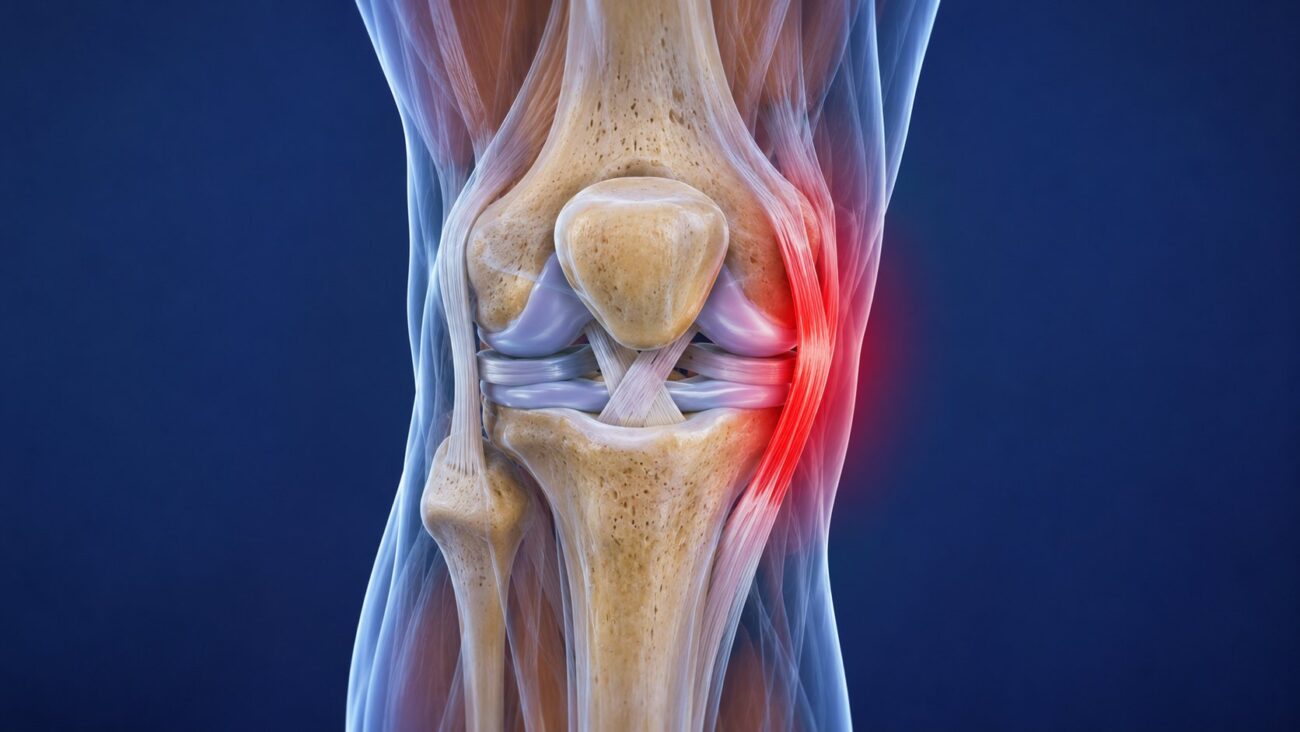
Before discussing an ACL sprain, let's remember what this ligament is. medial collateral ligament (MCL), The medial collateral ligament, also called the medial collateral ligament, is a fibrous band located on the inner side of the knee. It connects the femur to the tibia and prevents the knee from opening inwards, i.e., from becoming «X-shaped».
This is the most frequently injured ligament in the knee: a sprained MCL is one of the most common skiing injuries. The good news is that it has a good blood supply, which allows it to heal in the vast majority of cases. without surgery, provided it is properly protected during healing.
The medial collateral ligament (MCL) works with the medial meniscus, to which it is partially attached, and with the anterior cruciate ligament. Therefore, a significant sprain can be accompanied by damage to these structures, which must be investigated during the examination.
How does an MCL sprain occur?
A sprain of the medial collateral ligament (MCL) occurs when the knee is forced inwards while the foot remains fixed to the ground or on a ski:
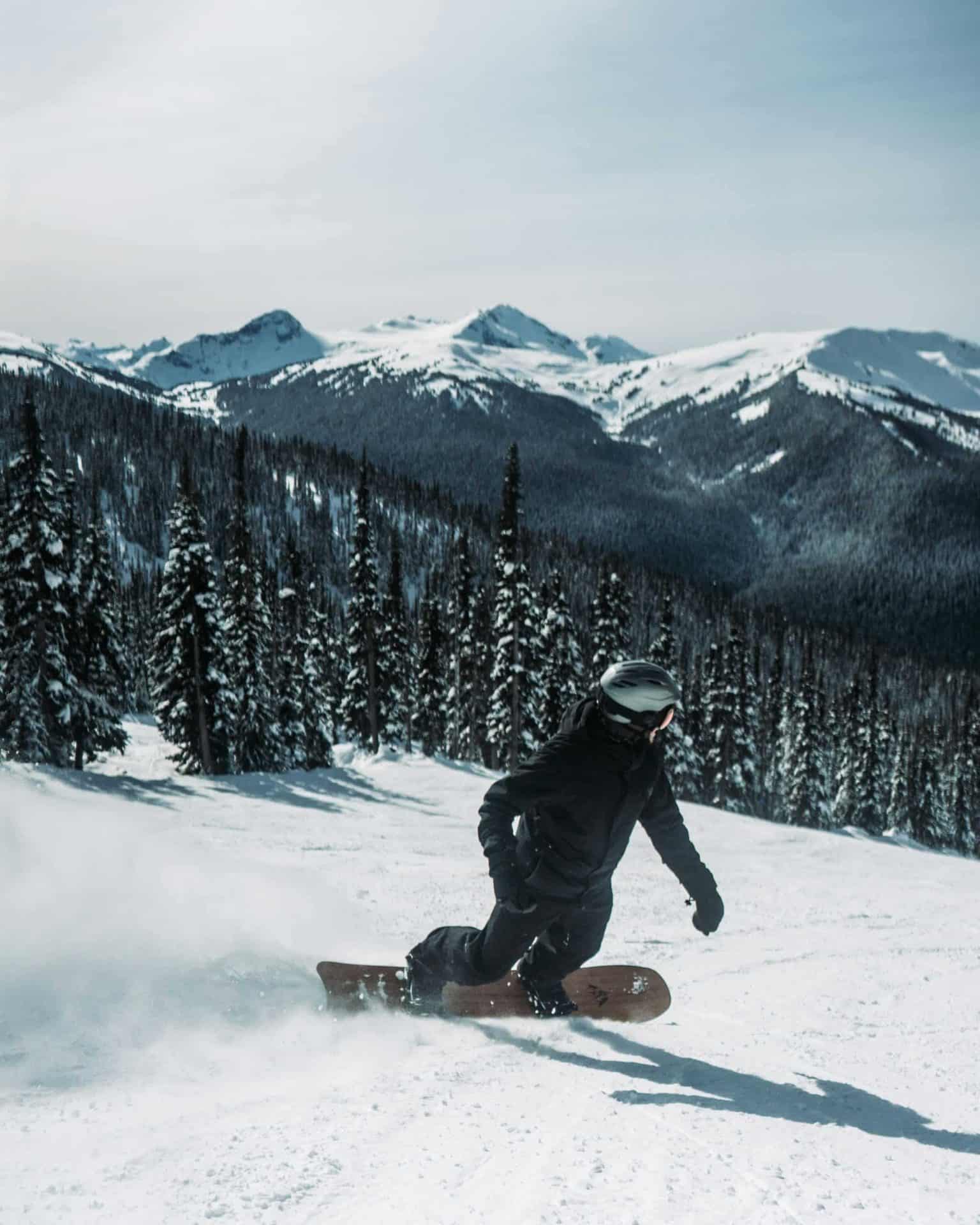
- skiing : in a snowplow, when the tip of a ski moves outwards, or during a fall forward with skis spread apart. This is the most common knee injury among skiers, especially beginners;
- in football, rugby or hockey : an impact received on the outside of the knee, for example during a tackle;
- in everyday life : a slide with the leg going to the side.
For other common mountain injuries, see our article Knee injury while skiing: what to do?.
Symptoms of a sprain of the medial collateral ligament
A sprain of the medial collateral ligament (MCL) can be recognized by several signs:
- a pain on the inner side of the knee, along the ligament, sometimes above or below the joint;
- pain that increases when pressure is applied to this area or when the knee is pushed inwards;
- swelling is often discreet and localized, because the ligament is located outside the joint;
- a sensation that the knee «yawns» to the side, in more serious sprains;
- Walking is possible but painful, often requiring avoiding fully extending the leg.
Unlike a cruciate ligament rupture, the knee swells very little and a cracking sound is rarely heard. Significant and rapid swelling should prompt investigation for an associated injury.
The three stages of severity
Stage 1: Stretching
The ligament is stretched, but not torn. There is noticeable pain upon pressure, but the knee remains stable. Walking is possible.
Stage 2: Partial rupture
Part of the fibers is ruptured. The pain is more intense, walking more difficult, and the examination shows a slight opening of the knee on the inner side, with a firm stop.
Stage 3: complete rupture
The ligament is torn through its entire thickness. Paradoxically, the pain may be less intense than in stage 2, but the knee is clearly unstable on its side. This stage is more often accompanied by other injuries, particularly of the anterior cruciate ligament or of the meniscus.
How is the diagnosis made?
The diagnosis of a medial collateral ligament (MCL) sprain is based primarily on clinical examination: the doctor palpates the ligament's path and tests the knee's stability by gently pushing it inwards, first with the leg straight and then slightly bent. This allows the doctor to assess the severity of the sprain.
An X-ray may be requested to rule out a fracture or avulsion fracture.’Knee MRI is useful in grade 2 or 3 sprains, or when a cruciate ligament or meniscus injury is suspected.
The examination is sometimes difficult immediately after the injury, when pain prevents the leg from being relaxed. A follow-up examination a few days later, once the pain has subsided, allows for a better assessment of knee stability.
What is the treatment for an MCL sprain?
The first few days
After a sprained MCL: apply cold, elevate the leg, and bear weight according to the pain level, using crutches if necessary. Basic steps are detailed in our article. Knee sprain.
The articulated splint
In a grade 2 or 3 MCL sprain, a hinged brace is often prescribed for a few weeks. It protects the ligament from inward movement while allowing the knee to bend and extend, thus preventing stiffness. Weight-bearing is usually permitted depending on pain levels.
Rehabilitation
Physiotherapy begins early: regaining full extension, then flexion, strengthening the quadriceps, and working on balance on one leg. It concludes with exercises specific to the sport practiced (foot placement, changes of direction).
And what about surgery?
It is rarely necessary for an isolated MCL sprain. It may be considered in cases of complete rupture associated with other ligament injuries, avulsion fractures, or persistent instability despite appropriate treatment.
How long does it take to heal?
Recovery times for a medial collateral ligament (MCL) sprain vary depending on the stage and regularity of rehabilitation. As a guideline:
- stage 1 one to three weeks;
- stage 2 three to six weeks;
- stage 3 six to twelve weeks, sometimes longer in case of associated injuries.
After a sprained MCL, you can return to sports once the knee is stable, pain-free to pressure, and the strength in the thigh has returned to nearly the same level as in the other leg. For skiing, start on easy slopes, avoiding aggressive snowplow turns during your first few outings.
When should you seek emergency medical attention?
See a doctor quickly if:
- the knee swells considerably in the hours that follow;
- you heard a cracking sound or felt the knee dislocate;
- the knee gives way when you try to walk;
- you cannot put your foot down or take a few steps;
- your knee locks or you can no longer straighten it.
These signs suggest a more significant injury than an isolated MCL sprain. You can book an urgent appointment in Geneva.
While waiting for your appointment, apply ice, elevate your leg, and use crutches if putting weight on it is painful. Avoid resuming sports or skiing «to test» your knee: further strain on a damaged ligament can worsen the injury.
Frequently Asked Questions
Key takeaways
Here are the key points to remember about an LLI sprain:
- An MCL sprain is the most common ligament injury of the knee, particularly in skiing;
- It causes pain on the inner surface, often with little swelling;
- It usually heals without surgery, with a suitable splint and rehabilitation;
- Significant swelling, cracking sounds, or a knee that gives way should prompt a consultation with a doctor.
After a knee sprain, a quick examination allows the severity to be assessed and the correct treatment to be started.