

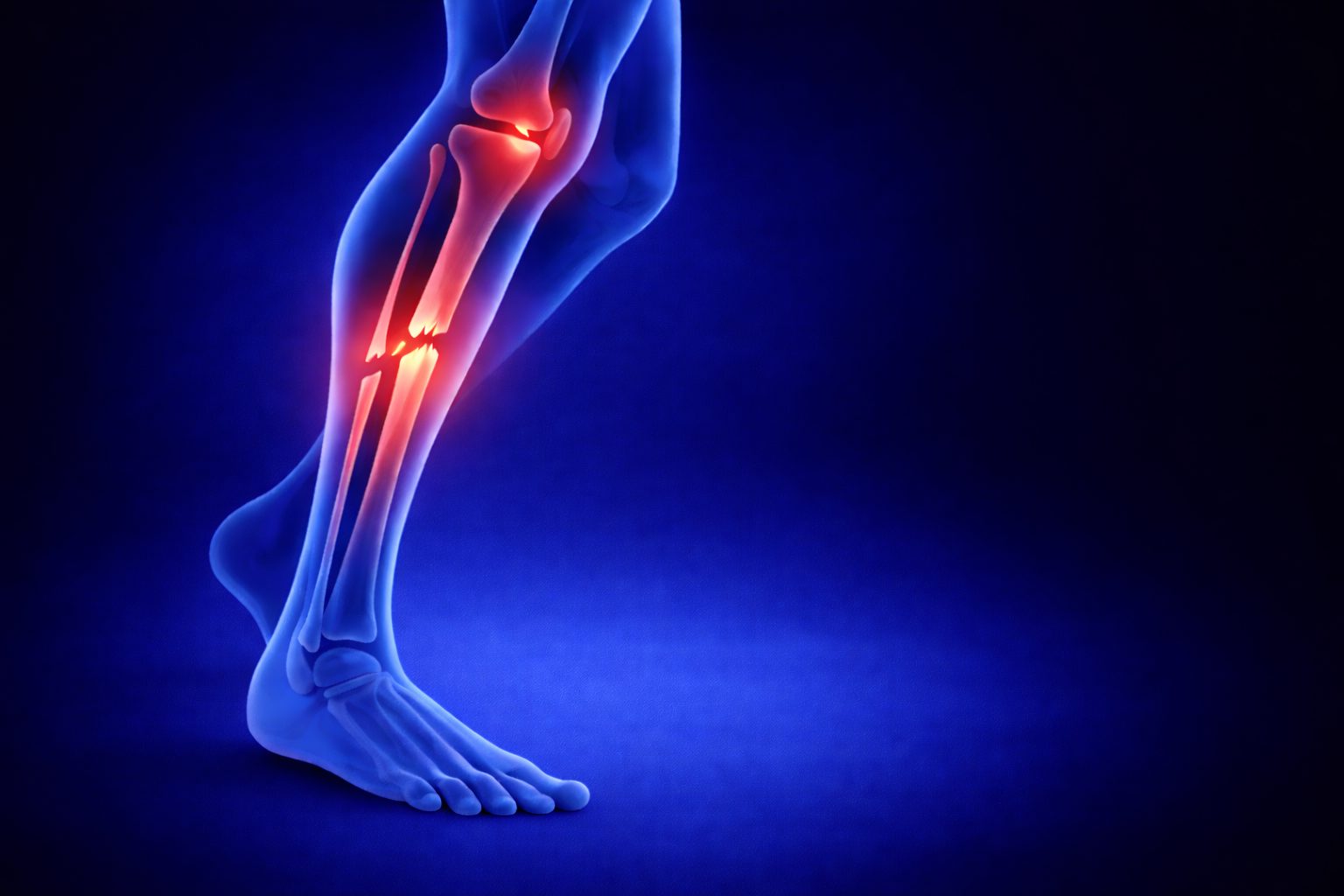
What is a fracture traumatic?
Les fractures traumatiques sont des lésions osseuses fréquentes, responsables de nombreuses consultations aux urgences et en traumatologie. Elles surviennent lorsqu’un choc brutal ou une contrainte mécanique importante dépasse la résistance normale de l’os. Une reconnaissance rapide des signes, associée à une prise en charge adaptée, est essentielle pour limiter les complications et favoriser une bonne récupération fonctionnelle. Juste au-dessus de l’articulation, une fracture of the femur near the knee shows similar signs and also requires prompt attention.
Elles correspondent à une rupture partielle ou complète d’un os consécutive à un traumatisme violent. Contrairement aux fractures de fragilité, liées à une pathologie osseuse sous-jacente comme l’ostéoporose, la fracture traumatique touche le plus souvent un os initialement sain.
It can affect all segments of the skeleton, but more frequently affects the upper and lower limbs, particularly the wrist, ankle, forearm, leg or clavicle.
What are the main causes of traumatic fractures?
Traumatic fractures are most often related to:
- falls (domestic, sports or from height),
- road accidents,
- workplace accidents,
- impact or contact sports activities,
- direct trauma (shock, crushing).
The violence of the trauma, the direction of the force, and the position of the body at the time of impact influence the type and severity of the fracture.
The different types of traumatic fractures
1. Depending on the condition of the skin
Two situations can be distinguished:
- Closed fracture : the skin is intact, despite the bone fracture.
- Open fracture The bone pierces the skin. This is a medical emergency due to the high risk of infection.
A fracture ouverte nécessite toujours une prise en charge en urgence.
2. According to the alignment of the fragments
Depending on the position of the fragments, we speak of:
- Non-displaced fracture : the bone fragments remain correctly aligned.
- Displaced fracture : the fragments are misaligned and often require reduction.
A displaced fracture often requires reduction, or even surgery.
3. According to the fracture pattern
Fractures are among the types that can be distinguished:
- transverse,
- oblique,
- Spiral,
- comminuted (several fragments).
The type of tracing helps to choose the most appropriate treatment.
Symptoms: how to recognize a traumatic fracture?
Clinical signs usually appear immediately after the trauma:
- Intense and sudden pain, aggravated by movement or pressure,
- rapid swelling of the affected area,
- localized hematoma,
- Visible deformity of the limb,
- functional impairment, with inability to use the limb,
- sometimes a cracking sensation at the moment of impact.
In the case of an open fracture, a wound is visible, sometimes with exposure of the bone.
When should you seek emergency medical attention?
A prompt medical consultation is essential in the following situations:
- intense and persistent pain following trauma
- inability to move a limb or to bear weight,
- obvious deformity of an arm or leg,
- wound associated with bone trauma,
- numbness, loss of sensation, or change in limb color,
- violent trauma (road accident, serious fall).
Any suspicion of a fracture should lead to medical advice, even if the signs seem moderate.
First aid measures while waiting for emergency services in case of a traumatic fracture
While waiting for medical attention, some simple actions can help limit the worsening of the injury:
- Immobilize the limb in the least painful position, using an improvised splint or fabric, while blocking the neighboring joints.
- Apply cold (ice wrapped in a cloth) for 15 to 20 minutes to reduce pain and swelling.
- Elevate the limb if possible without excessive pain.
- Never attempt to put the bone back in place or force any movement.
In case of an open fracture, cover the wound with a clean cloth without touching the exposed bone and seek emergency medical attention.
How is the diagnosis made?
The diagnosis is based on:
- a clinical examination assessing pain, mobility, and neurovascular status,
- An X-ray, the gold standard examination to confirm the fracture,
- A scan is recommended in cases of complex or joint fractures.,
- An MRI is used when the fracture is not visible on X-rays but remains suspected.
These tests allow the treatment to be precisely tailored.
Treatment of traumatic fractures
1. Orthopedic treatment
It is based on:
- immobilization by splint or cast,
- fracture reduction if necessary,
- pain management.
This treatment is sufficient for many non-displaced fractures.
2. Surgical treatment
The surgery is particularly indicated in the following cases:
- unstable displaced fracture
- open fracture
- joint fracture
- Associated vascular or nerve damage.
It uses internal or external fixing devices (plates, screws, nails).
3. Rehabilitation
Once the bone has healed, the functional rehabilitation is essential to restore mobility, muscle strength and prevent stiffness.
Recovery time and possible complications
The consolidation period depends on:
- of the bone in question,
- the patient's age,
- of the complexity of the fracture.
On average:
- 4 to 6 weeks for a simple fracture,
- several months for a complex fracture.
The main complications are delayed union, pseudarthrosis, infection and joint stiffness.
Preventing traumatic fractures
Prevention is based on:
- the wearing of protective equipment during sporting activities,
- securing the home environment,
- maintaining muscle strength and balance,
- a diet adapted to bone health.
These simple measures reduce the risk of fractures in everyday life.
Conclusion
Traumatic fractures are common but potentially serious injuries. Rapid recognition of symptoms, appropriate first aid while waiting for emergency services, and early medical care are essential to ensure optimal healing and limit functional impairment.