

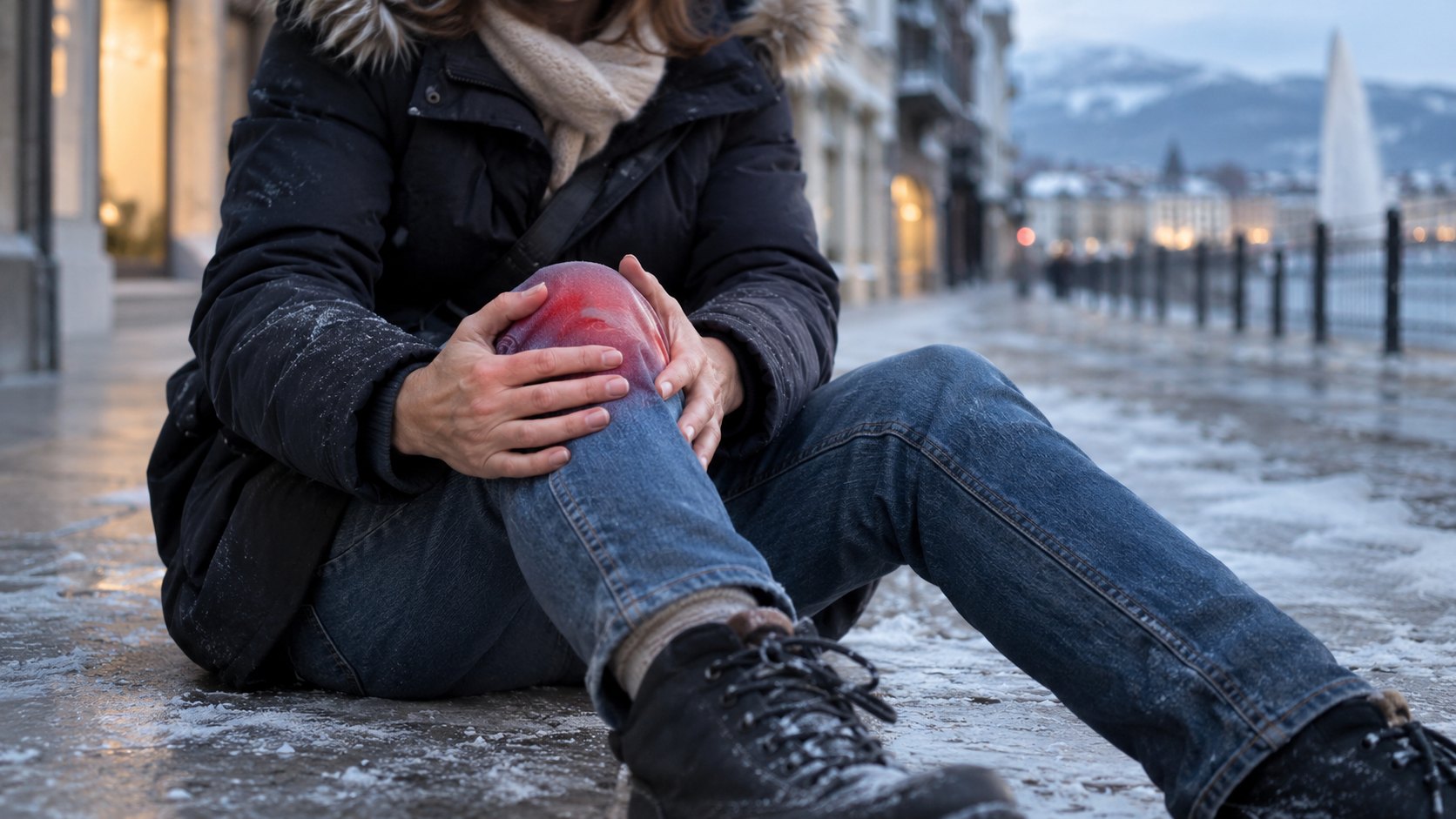
What is a fractured patella?
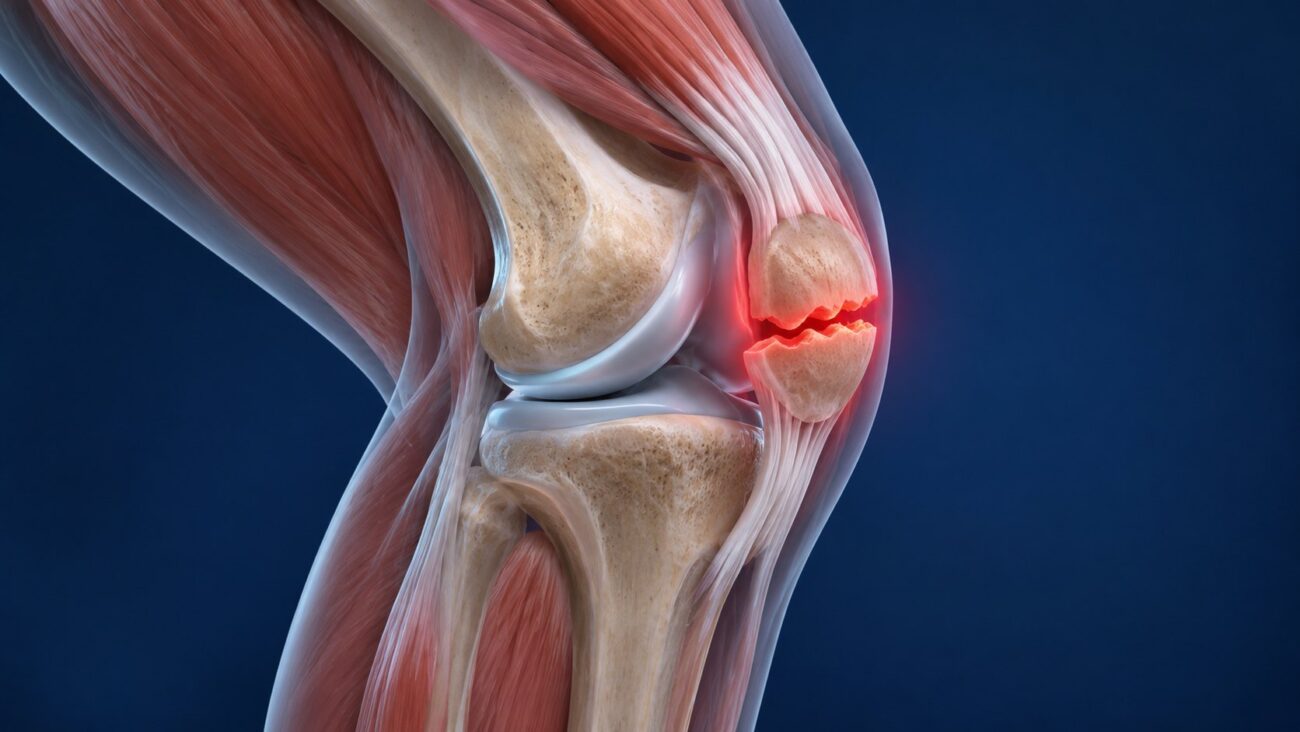
The fracture of the kneecap It is a fracture of the patella, the small flat bone located at the front of the knee. The kneecap plays an essential role: it acts as a pulley for the quadriceps tendon and allows the leg to be extended with force, for walking, climbing stairs or getting up from a chair.
Because it is located just under the skin, without any muscle to cushion it, the kneecap directly absorbs shocks. A fractured kneecap is a serious injury because it can prevent the knee from extending and damage the cartilage of the joint. It is one of the knee fractures which need to be examined quickly.
How does a fracture of the kneecap occur?
Two main mechanisms explain most patellar fractures. They do not have the same consequences, hence the importance of describing the injury clearly to the doctor:
- a direct shock on the front of the knee: falling on one's knees on ice or hard ground, impact against the dashboard during a car accident, fall while skiing or cycling;
- a sudden contraction of the quadriceps when the knee is bent, for example when catching oneself during a fall or missing a step: the kneecap is then «torn off» and breaks in two.
Winter is a risky time, with falls on icy sidewalks and ski slopes. Older people, whose bones are more fragile, can fracture their kneecap after a simple fall from their own height. For athletes, violent impacts and landings from jumps are more likely to cause injury.
Signs of a fractured kneecap
After a fall on the knee, several signs should suggest a fractured kneecap rather than a simple bruise:
- sharp pain at the front of the knee, which prevents normal weight-bearing;
- rapid swelling, sometimes very significant, with a hematoma that spreads in the following hours;
- the inability to raise the straight leg while lying down, or to keep the knee straight while walking;
- sometimes a palpable «hollow» between two fragments of bone, when the fracture is displaced.
The most important sign is the loss of active extension: if you can no longer straighten your leg on your own, the device that extends the knee has probably stopped working. This situation requires immediate medical attention.
Fracture or simple contusion?
A knee contusion It can be very painful, but it generally allows you to straighten your leg and walk, even if you limp. Swelling remains moderate and the pain subsides within a few days. Conversely, a fracture of the patella often results in more pronounced swelling and significant difficulty straightening the knee. Only an X-ray can provide a definitive diagnosis: if there is any doubt after an knee impact, It's best to have it checked.
What to do immediately after the fall?
The first steps are aimed at protecting the knee and limiting swelling while awaiting the examination:
- Stop the activity and do not force yourself to walk if the pain is severe;
- Keep your leg straight, ideally supported by a brace or cushion on each side;
- apply cold, protected by a cloth, for 15 to 20 minutes, several times a day;
- Raise your leg and avoid bending your knee to «test».
Do not massage the knee or apply heat. If you need to move around, get help or use crutches, and avoid putting your full weight on the injured leg.
When should I call 144?
Call 144 if the skin is open at the knee, as an open fracture poses a risk of infection, if the leg is cold, pale, or numb, or if the pain is unbearable after a violent accident. In other cases, a prompt consultation, either the same day or the next, allows for a thorough assessment. You can book an urgent appointment in Geneva.
How is the diagnosis made?
The doctor begins by examining the knee: they look for specific pain on the kneecap, any gaps between the fragments, and, most importantly, check if you can raise your leg straight. This simple examination already indicates whether the knee extension mechanism is intact.
An X-ray of the knee, taken from the front, side, and sometimes with a special view of the patella, confirms the fracture and shows whether the fragments are displaced. A CT scan is sometimes requested to better analyze a multi-piece fracture and prepare for surgery. To learn more about these examinations, see our article. MRI, CT scan and X-ray.
The different types of patellar fractures
The non-displaced fracture
The bone is broken, but the fragments remain in place and the cartilage surface remains smooth. The knee can still straighten. This is the most favorable form, which is often treated without surgery.
The displaced fracture
The fragments separate, most often into two pieces, one at the top and one at the bottom, under the traction of the quadriceps. The knee can no longer extend properly, and a «step» appears on the cartilage. Surgery is then generally necessary.
Comminuted fracture
The kneecap is broken into several pieces, often after a violent direct impact. Treatment is more delicate and aims to reconstruct the joint surface as best as possible to preserve the cartilage.
What treatment is needed for a fractured kneecap?
Treatment without surgery
When the fracture is not displaced and active extension is preserved, the knee is immobilized in a brace that keeps it straight or limits flexion. Weight-bearing is often permitted depending on pain levels. Follow-up X-rays confirm that the fragments are not dislodged. Rehabilitation then begins gradually to regain mobility and strength in the thigh.
Surgical treatment
In cases of displaced fractures, walking, or loss of extension, the surgeon realigns and fixes the fragments, most often with pins and wire or screws. The goal is to restore a smooth cartilage surface and allow for early rehabilitation. The procedure is performed in a clinic, usually within days of the injury. More information on the fracture surgery on Dr. Coulin's website.
How long does it take to recover from a fractured kneecap?
The knee is usually kept in a brace for four to six weeks, and the bone reaches initial consolidation around six weeks; final consolidation can take up to three months. During this period, knee flexion is gradually increased, according to the surgeon's instructions and X-ray findings. Physical therapy is essential to prevent stiffness and atrophy of the quadriceps muscle.
Resuming daily activities and driving often happens after a few weeks, while returning to pivoting sports, such as skiing or football, generally takes three to six months. Difficulty kneeling may persist longer, especially after surgery.
Possible complications
When properly treated, a fractured patella usually heals with good function. The main complications are knee stiffness, loss of thigh strength, discomfort from the metal hardware (which can be removed later), and, in the long term, osteoarthritis between the patella and the femur when the cartilage has been damaged. Regular rehabilitation and careful monitoring significantly reduce these risks.
Frequently Asked Questions
Key takeaways
Here are the key points to remember about a fractured kneecap:
- It occurs mainly after a fall on the knee or a sudden contraction of the thigh;
- No longer being able to straighten your leg is a warning sign that requires a consultation on the same day;
- Treatment depends on the displacement: splint for stable fractures, surgery for displaced fractures;
- Rehabilitation is essential to regain a flexible and strong knee.
After a fall on the knee, a quick examination can differentiate between a simple contusion and a fracture of the patella, and allow the right treatment to be chosen from the outset.