Find the latest news from Dr. Coulin here : medical advances, new developments in orthopedics, practical advice, and information about our services. A space to better understand our approach and stay informed about everything that can improve your mobility and quality of life.

|Understand and Inform, Fractures
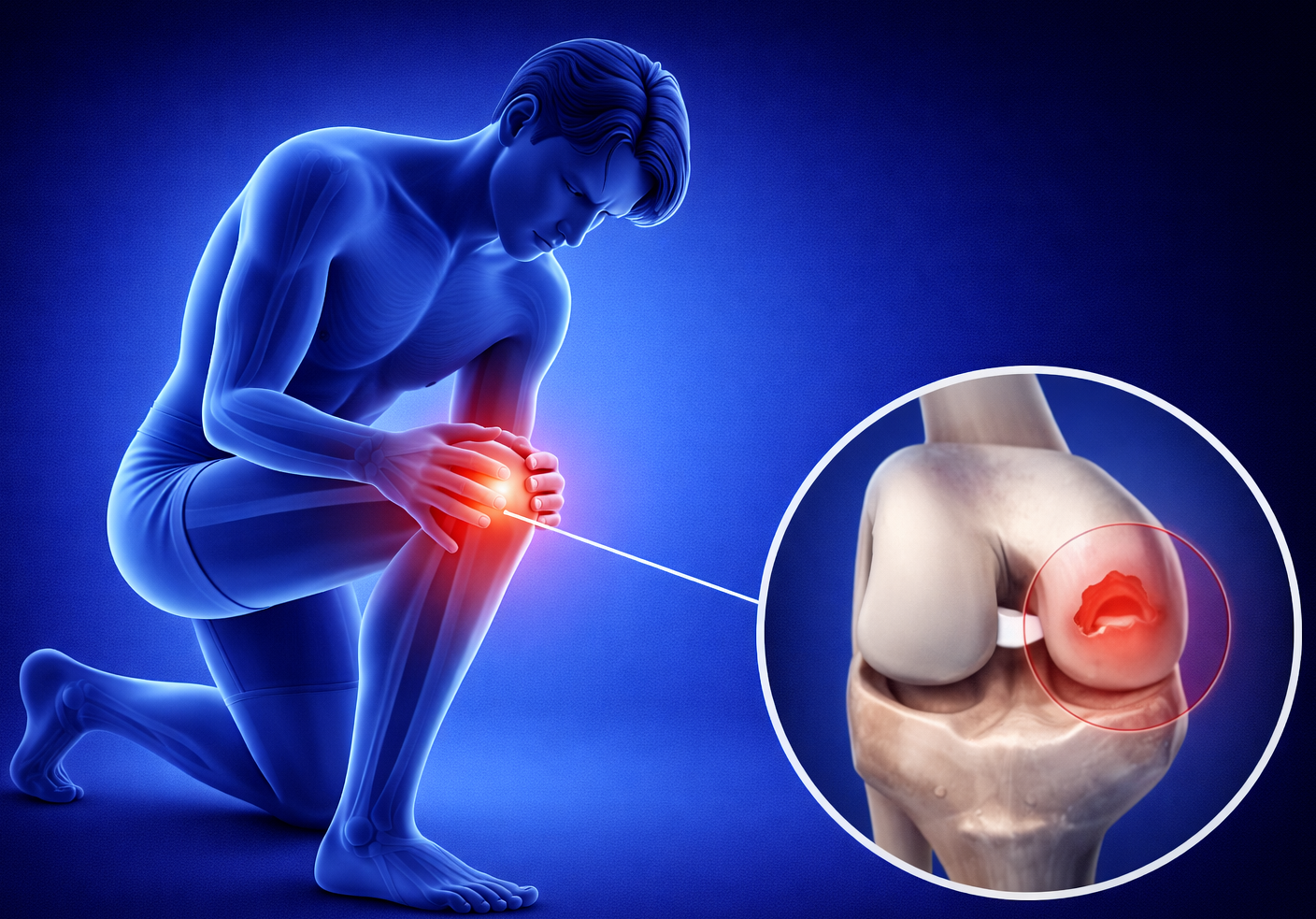
Knee cartilage damage and osteoarthritis
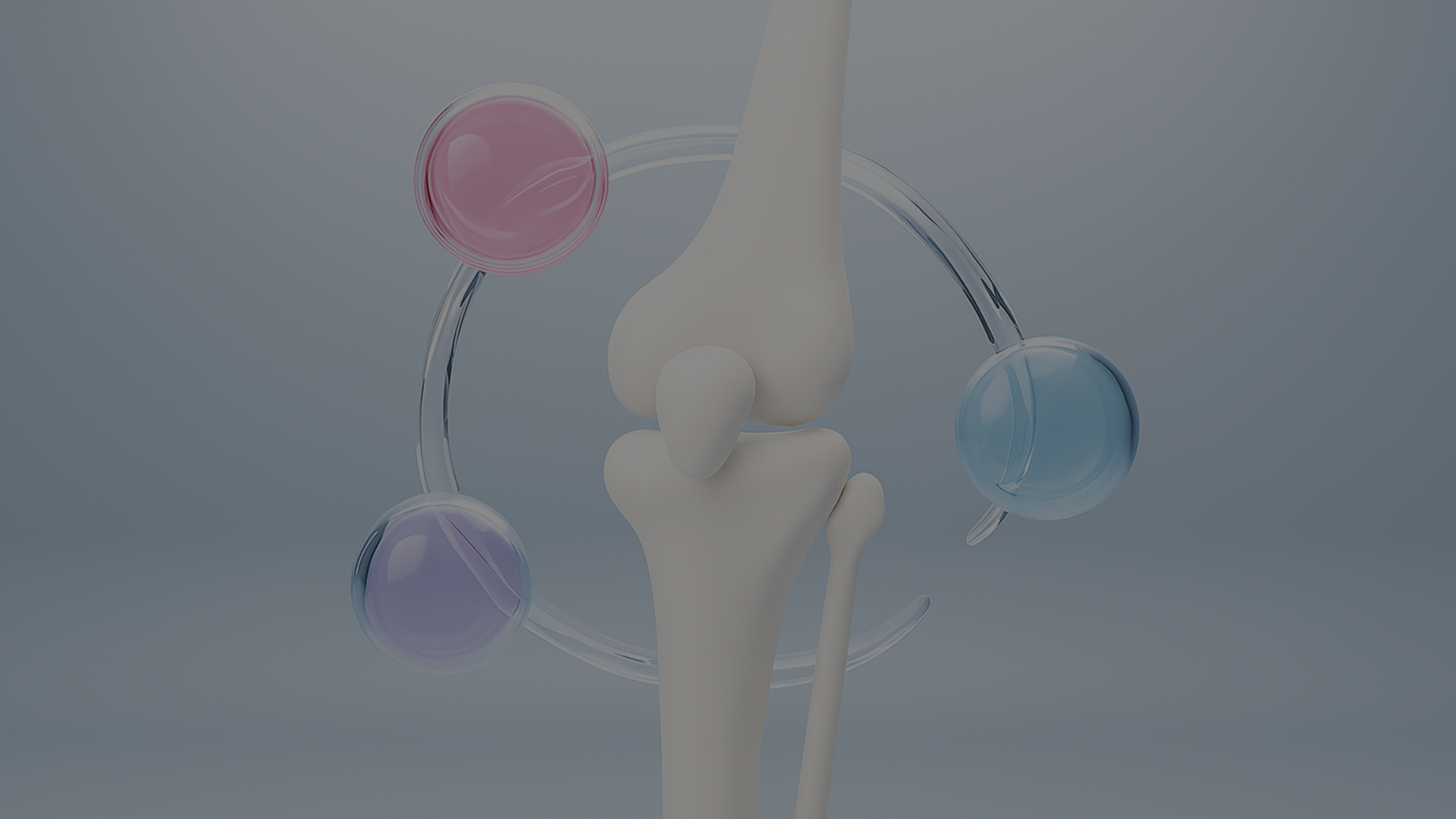
Persistent knee pain is often linked to cartilage damage, which is sometimes unrecognized or underestimated. These cartilage lesions can develop silently and, without early intervention, lead to established knee osteoarthritis. Understanding the close link between cartilage and osteoarthritis allows for earlier identification of warning signs and prompt action to preserve mobility and limit the progression of the joint.
Femur fracture: a fracture requiring immediate medical attention
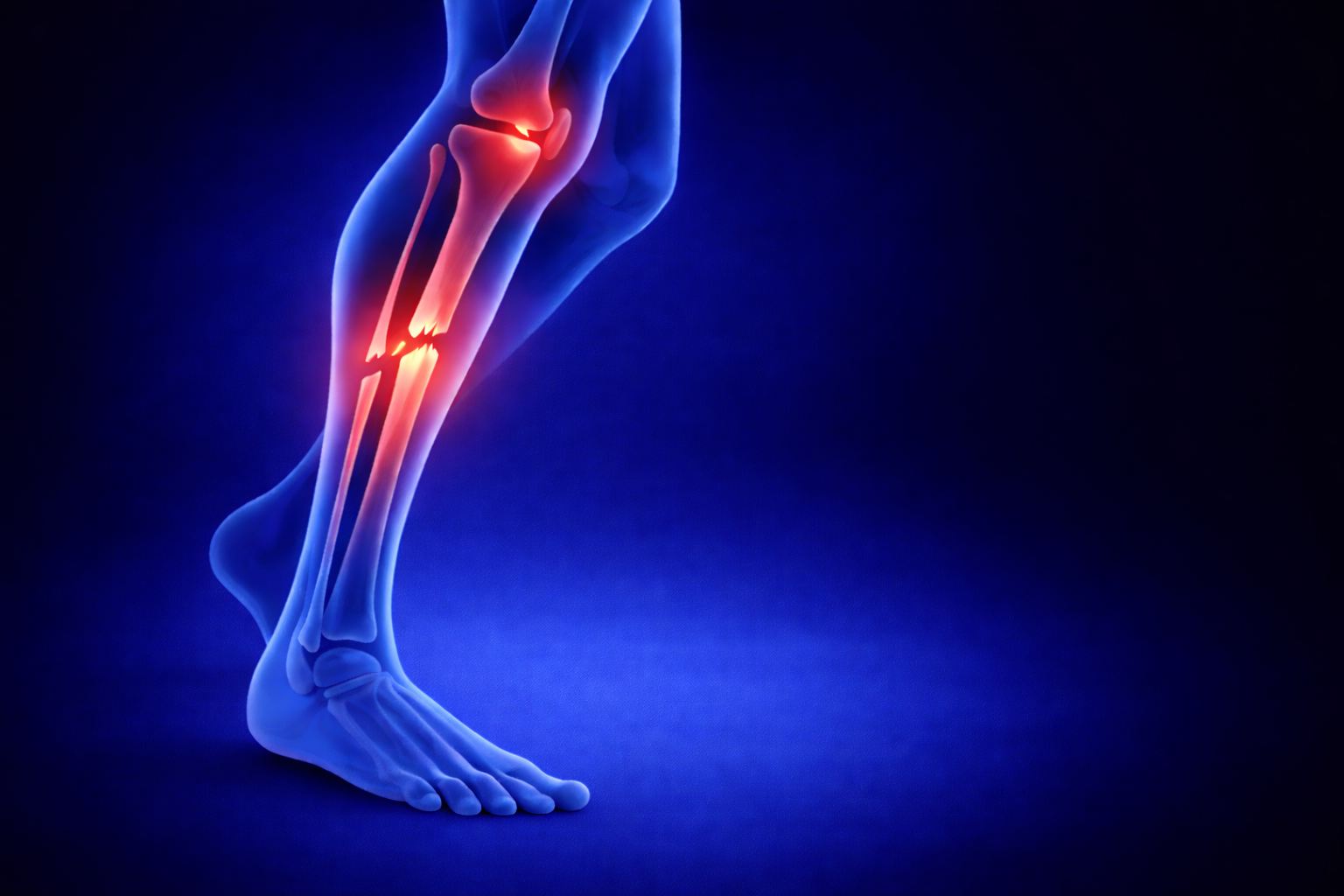
A femoral fracture is a major medical emergency, usually resulting from significant trauma. It manifests as sudden pain, an inability to walk, and sometimes a visible deformity of the lower limb. When it affects the area near the knee, it directly compromises joint mobility. Immediate treatment is essential to limit complications and preserve limb function.
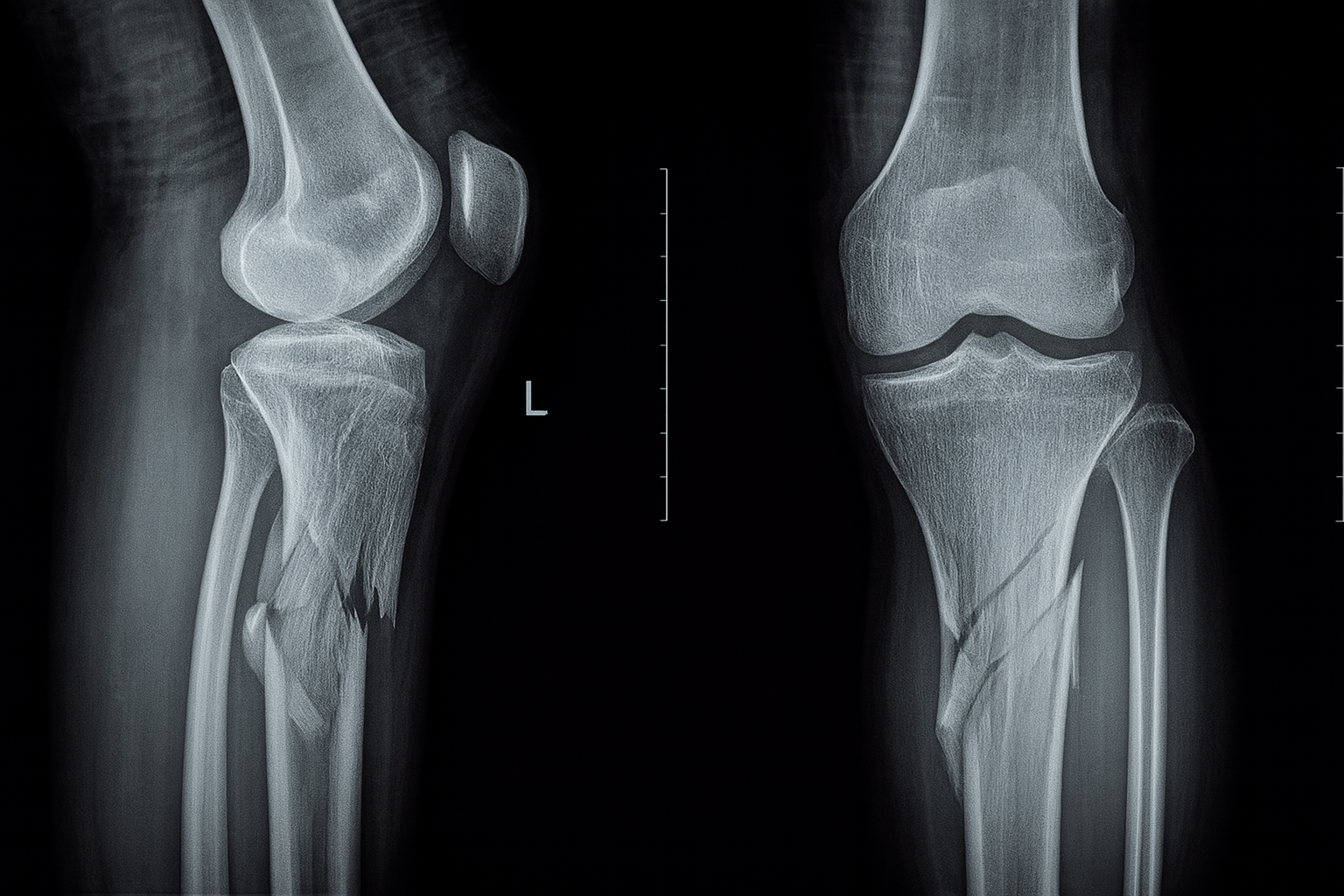
Tibial plateau fracture: a fracture requiring emergency treatment
A tibial plateau fracture is a serious knee fracture directly affecting the joint surface. It most often occurs after a violent trauma and causes intense pain, rapid swelling, and an inability to bear weight. This fracture carries a high risk of long-term consequences if it is not treated promptly. Urgent consultation is essential to preserve knee function.
Knee sprain: understanding the symptoms, assessing the severity and knowing when to seek emergency care
A knee sprain is a common injury following trauma, a sudden movement, or a sharp twist. It can cause pain, swelling, and sometimes knee instability, the severity of which varies depending on the extent of ligament damage. Some sprains that appear minor may conceal more serious injuries. A prompt medical evaluation can determine the severity and prevent complications.
Open fractures: understanding the risks, treatments and management
An open fracture is a serious injury combining a bone fracture and a skin wound, exposing the bone to the outside. It is a medical emergency requiring immediate treatment to limit the risk of infection and complications.
Knee locking and mechanical pain: what do these symptoms mean?
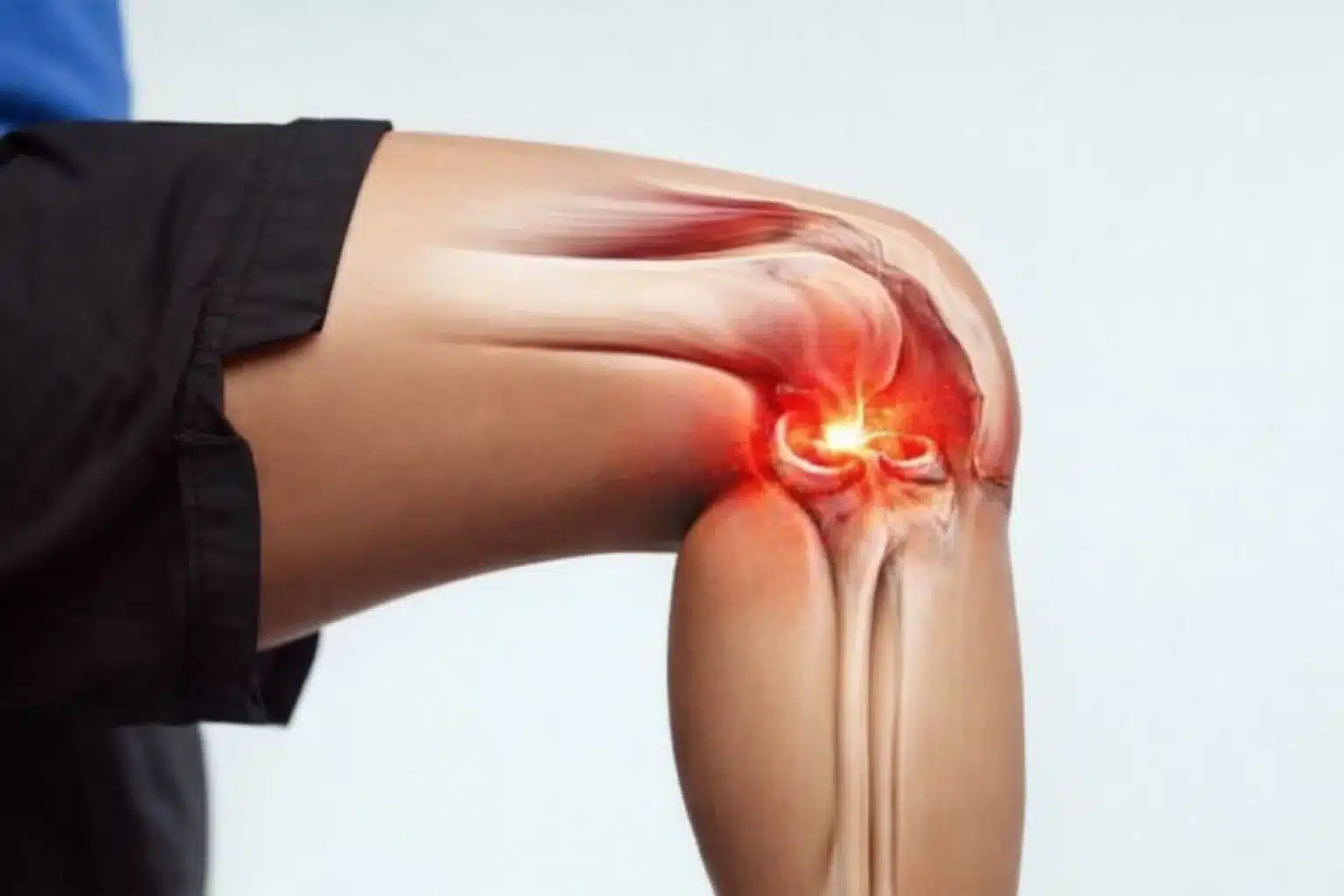
Knee locking and mechanical pain are common symptoms that can indicate an internal injury to the joint. When these symptoms persist or recur, a medical evaluation is essential to prevent further damage and preserve knee mobility.
A lesion of the knee cartilage is often silent, but can have a major impact on the mobility and progression of the joint. Identifying a lesion early helps limit its progression and reduce the risk of knee osteoarthritis.
A degenerative meniscal tear corresponds to a progressive wear and tear of the meniscus, often causing mechanical pain and functional impairment of the knee. Identifying a meniscal lesion allows for tailored treatment and limits the progression of joint damage.
Traumatic meniscal tears: pain in the meniscus after an impact
Traumatic meniscal tears most often result from a sudden twisting motion of the knee, particularly during sports activities, in young people. They manifest as acute pain, sometimes joint locking, and may require conservative or surgical treatment depending on the severity.
Anterior cruciate ligament (ACL) injury associated with other knee injuries
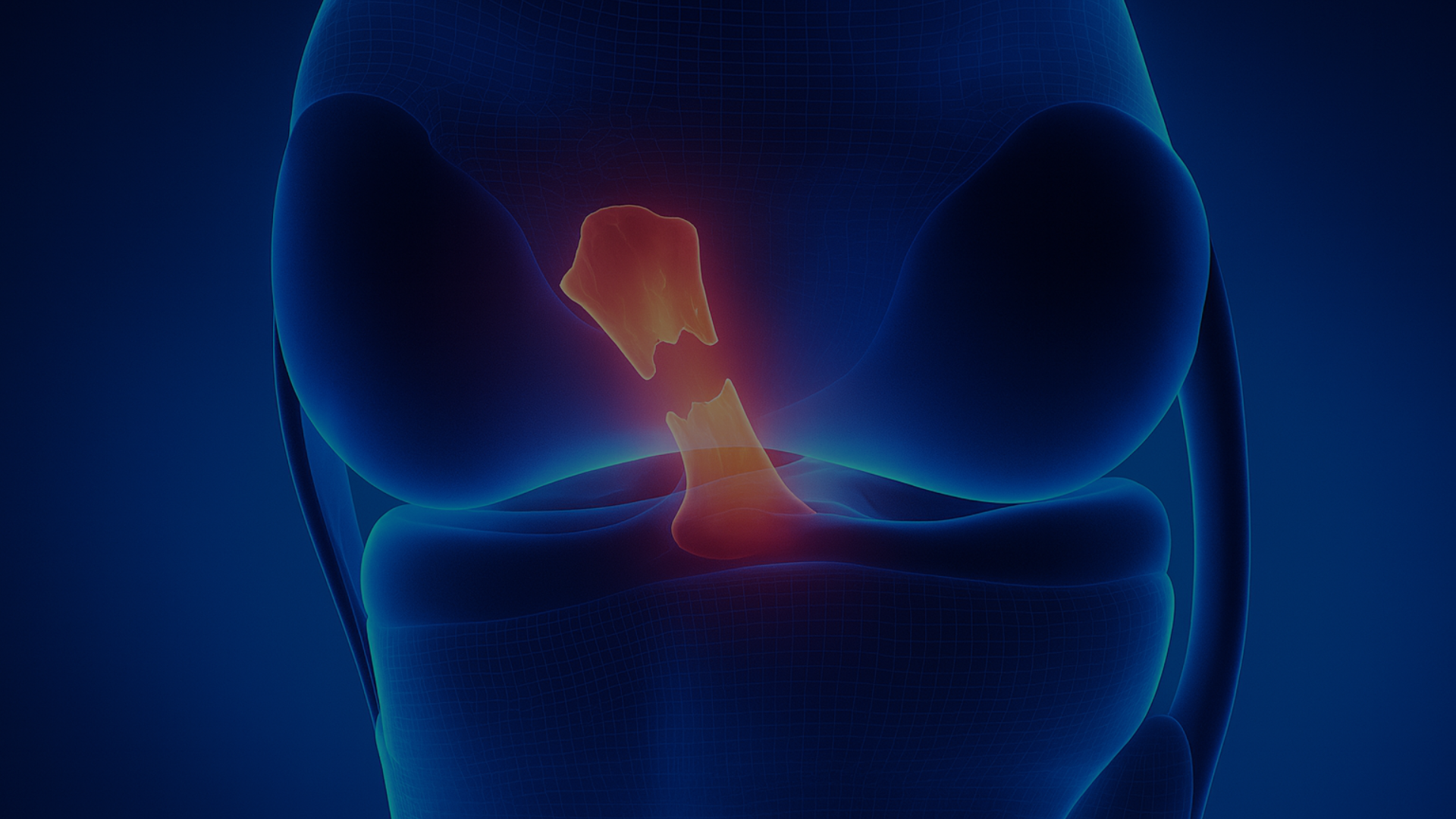
An anterior cruciate ligament (ACL) tear is frequently associated with other knee injuries, such as meniscal or cartilage damage. Identifying an ACL tear and its associated injuries allows for tailored treatment and helps preserve knee stability.
|Understand and Inform, Anterior cruciate ligament
Knee instability related to the anterior cruciate ligament: how to recognize it?
Knee instability is a common consequence of anterior cruciate ligament (ACL) injuries, often felt as a knee that gives way. Identifying instability helps prevent secondary injuries and preserve knee function in the long term.
Anterior cruciate ligament (ACL) rupture: the unmistakable symptoms
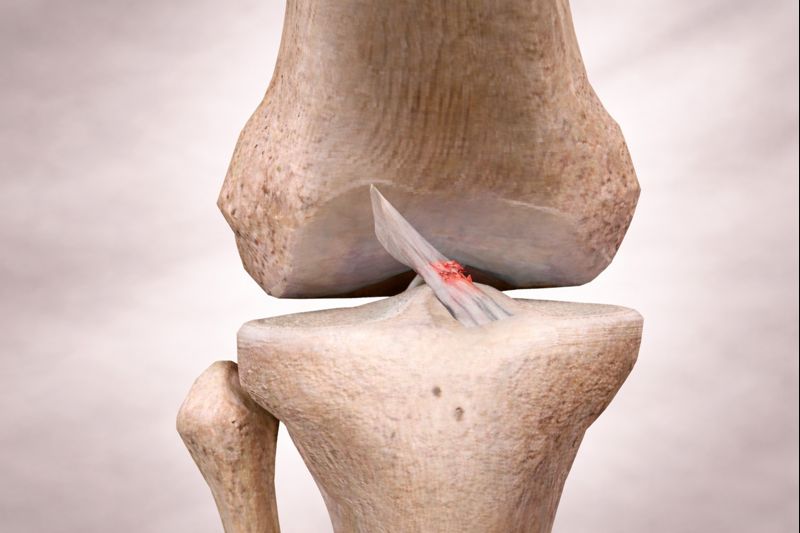
An anterior cruciate ligament (ACL) rupture is a major knee injury, often causing acute pain, swelling, and instability. Early recognition of a rupture allows for targeted treatment and helps limit long-term complications.
Anterior cruciate ligament (ACL) sprain: abnormal stretching of the ligament
An anterior cruciate ligament (ACL) sprain is a common knee injury that can cause pain, swelling, and instability. Early identification of an ACL sprain allows for appropriate treatment and minimizes long-term consequences.
Stress fractures: understanding a common injury among athletes and learning how to prevent them
A stress fracture is a progressive fracture caused by repeated stress, common in athletes. Early recognition helps prevent further damage, complete fracture, and prolonged periods of inactivity.
Pathological fractures: definition, causes, symptoms and when to consult a doctor
A pathological fracture is a fracture occurring in a weakened bone, sometimes without trauma or after minimal impact. Recognizing it early allows for the identification of an underlying disease and the adaptation of treatment.
Traumatic fractures: definition, symptoms and when to seek emergency care
A traumatic fracture is a fracture that occurs after a violent impact or trauma. Recognizing it quickly allows for urgent treatment and limits functional complications.
Arthrosamid®: How the hydrogel transforms knee biomechanics ?
Finding a truly innovative treatment for knee osteoarthritis remains a challenge for many patients. Among the emerging solutions, arthosamid® stands out with its completely different approach: instead of simply relieving pain, it acts directly on the internal mechanics of the knee. This breakthrough opens up new possibilities for those seeking to regain lasting mobility.
Arthrosamid® and sport: a solution to keep moving despite knee osteoarthritis
The onset of knee osteoarthritis in athletes is never insignificant: it disrupts training, reduces performance, and jeopardizes the continuation of their sport. Faced with these challenges, new treatments are emerging to allow athletes to maintain physical activity without further damaging the joint. Among them, Arthrosamid® stands out as an innovative option for preserving movement while minimizing pain.
Osteoarthritis and daily joint load: why do walking, stairs and postures accelerate wear and tear?
Knee osteoarthritis doesn't progress solely due to age; it's heavily influenced by the mechanical stresses the joint endures daily. Understanding how these stresses accumulate and impact the cartilage is essential for better anticipating the disease's progression and choosing a truly appropriate treatment.
The real impact of osteoarthritis on independence: understanding which movements become difficult
Osteoarthritis is not just a temporary discomfort; it gradually takes hold in daily life and reduces the ability to move freely. Even before the pain becomes intense, functional limitations appear, impairing even simple movements. Identifying these early signs is essential for adapting one's routine and choosing a treatment that protects mobility in the long term.
|Understand and Inform, Anterior cruciate ligament
Rehabilitation after ligament reconstruction: an essential process for regaining knee mobility
Regaining confidence in one’s knee after a ligamentoplasty is possible provided the right steps are followed. Duration of rehabilitation, key phases, objectives at each stage: discover everything you need to know to optimize your recovery and resume your activities in the best conditions.
Osteoarthritis : better understanding this disease, as frequent as it is disabling
Joint pain, stiffness, daily discomfort... What if it was osteoarthritis? Often trivialized, this pathology affects millions of people and can strongly impact the quality of life. Understanding its mechanisms is the first step towards effective treatment.
3D planning in orthopedic surgery : precision, customization and security
What if each surgical procedure was prepared to the nearest millimeter, even before entering the operating room? Thanks to 3D planning, orthopaedic surgery becomes more precise, more personalized and safer. A real technological leap at the service of the patient.
Post-operative follow-up: as important as the surgery
The operation does not mark the end of the process, but the beginning of a new decisive stage. Good post-operative follow-up is essential to consolidate the results of the procedure, prevent complications, and support the patient towards optimal recovery.
Osteoarthritis and Arthritis : Why is it essential to distinguish between them?
The symptoms are similar, but the causes are very different. Confusing osteoarthritis with arthritis can delay proper diagnosis and, therefore, proper treatment. Here's how to differentiate between the two to better manage your joint health.
Patella Surgery : Indications, Techniques, and Recovery
Pain in the front of the knee, instability or repeated dislocations? Sometimes surgery becomes the best option. When should the kneecap be operated? What are the possible techniques? And how does the recovery take place? A complete point to better understand this targeted intervention.
Osteotomy : a surgical alternative to preserve the joint
What if we could avoid or delay the installation of a prosthesis through another surgery? Osteotomy is a tailor-made solution, which aims to relieve joint pain while preserving the natural joint. An approach often overlooked, but full of advantages.
Hip pain can't be diagnosed "by eye": each test has its role to play. X-rays, MRIs, CT arthroscopy... Which tests should be prescribed depending on the symptoms, and what can they reveal? A clear guide to better understand the diagnostic process.
Anterior cruciate ligament surgery : why, when and how to intervene?
A sagging knee, persistent instability... and often, a question: should we operate? The rupture of the anterior cruciate ligament is not always synonymous with surgery, but certain situations require it. Here’s how to decide when the right time is and what to expect if the intervention is necessary.
Hip prosthesis revision : when and why is it necessary to operate again?
Even a well-placed prosthesis is not eternal.
Pain, wear, instability... In some cases, a new intervention is necessary: this is what is called a revision surgery. When to program it? What signs should alert? We take stock.
When osteoarthritis affects only one compartment of the knee, the solution may be lighter than a total prosthesis. The partial prosthesis, also called unicompartmental prosthesis, allows to preserve a large part of the natural knee. For which patients? With what benefits?
Stiffness upon waking, discomfort after exercise, subtle but persistent pain... What if this is the beginning of osteoarthritis? Identifying the first signs allows you to act early before pain sets in. Learn to recognize these warning signs to better protect your joints.
Arthrosamid®: an innovative solution for knee osteoarthritis
What if a simple injection could provide lasting relief from knee osteoarthritis, without surgery? Arthrosamid® is an innovative treatment that offers a promising alternative for patients seeking comfort and mobility. Find out how it works and who it's for.
Hyaluronic acid: relieve osteoarthritis without surgery
When osteoarthritis restricts your movement but surgery isn't yet an option, there is an alternative. Hyaluronic acid injections can soothe pain, improve mobility, and delay surgery. A simple, targeted, and often overlooked solution.
Customized orthopedic surgery : a personalized approach for each patient
What if the surgery adapted to your anatomy, and not the other way around? Thanks to cutting-edge technologies, orthopedic surgery becomes more precise, more personalized and more efficient. 3D imaging, custom implants, digital planning: a new standard of care is emerging.
Muscle and tendon tear surgery : when is surgery necessary?
Not all tears require surgery, but some cannot heal without it. When the lesion is extensive or poorly healed, surgical management may be required to regain strength, mobility and function. Here is how to evaluate the need for it.
Orthobiology: treating joints through natural regeneration
What if the body could actively participate in its own repair? Orthobiology encompasses innovative treatments that stimulate the natural regenerative capacity of tissues, a promising approach for relieving joint pain without major surgery.
Fracture surgery : when is it necessary to intervene?
Not all fractures require surgery but some cannot do without it. Mobility, alignment, consolidation: surgery sometimes ensures optimal recovery and avoids long-term complications. Here are the cases in which it is necessary.
Sport and osteoarthritis: what can be done, what should be avoided?
Exercise is a must, but not just any exercise. Far from being forbidden, exercise can be a real ally in the fight against osteoarthritis, provided you choose the right activities and avoid making mistakes. Discover how to stay active while protecting your joints.
Lipogems: a natural and innovative treatment for knee osteoarthritis
What if your own fat could become a treatment for osteoarthritis? Lipogems is a regenerative solution derived from orthobiological medicine, which uses cells contained in adipose tissue to soothe inflammation and stimulate repair. A natural alternative, without prosthetics or long-term medication.
Meniscus surgery : when is it necessary to operate?
A meniscal tear is not always synonymous with surgery, but it can become one. Pain, blockage, persistent discomfort: some signs should alert. When to prioritize conservative treatment? When to consider surgery? A clear point to make the right decision.
Arthroscopy : high-precision, minimally invasive surgery
What if we could operate without opening?
Arthroscopy allows to explore and treat the inside of a joint thanks to a miniaturized camera. Less invasive, more precise, it promotes rapid recovery with minimal scarring.
PRP and osteoarthritis: a natural and targeted treatment
What if your own blood could relieve your joint pain? PRP (platelet-rich plasma) is a solution derived from your body, used to soothe inflammation and stimulate regeneration in osteoarthritis. A natural, precise, and promising treatment.
|Understand and Inform, Anterior cruciate ligament
Minimally invasive surgery : a new way of operating
Less scarring, less pain, faster recovery. Minimally invasive surgery revolutionizes orthopedic interventions by limiting trauma to tissues. A modern approach that combines efficiency, comfort and precision.
Total hip prosthesis : indications, procedure and results
When the pain becomes permanent and every movement is an effort, hip replacement can change a life. In which cases to consider it? How does the operation proceed? And what to expect after? A complete guide to better understand this surgery among the most practiced and the most effective.
Total knee replacement: indications, procedure and results
When knee osteoarthritis becomes too painful and limits your daily actions, the total denture can offer a real new start. In which cases should it be considered? How does the intervention proceed? And what are the expected results? A complete point to better understand this increasingly common surgery.
Anterior Cruciate Ligament (ACL) Tear : causes, symptoms and treatment
A cracking, sudden pain, a feeling of the knee dropping? Rupture of the ACL is common, especially among athletes.
What are the signs to recognize? How to confirm the diagnosis? And what are the treatment options, with or without surgery? An essential guide to understand and react well.
Knee locking and mechanical pain: what do these symptoms mean?
Knee locking and mechanical pain are common symptoms that can indicate an internal injury to the joint. When these symptoms persist or recur, a medical evaluation is essential to prevent further damage and preserve knee mobility.
Hip pain can't be diagnosed "by eye": each test has its role to play. X-rays, MRIs, CT arthroscopy... Which tests should be prescribed depending on the symptoms, and what can they reveal? A clear guide to better understand the diagnostic process.
Hip prosthesis revision : when and why is it necessary to operate again?
Even a well-placed prosthesis is not eternal.
Pain, wear, instability... In some cases, a new intervention is necessary: this is what is called a revision surgery. When to program it? What signs should alert? We take stock.
Total hip prosthesis : indications, procedure and results
When the pain becomes permanent and every movement is an effort, hip replacement can change a life. In which cases to consider it? How does the operation proceed? And what to expect after? A complete guide to better understand this surgery among the most practiced and the most effective.
Anterior cruciate ligament (ACL) injury associated with other knee injuries
An anterior cruciate ligament (ACL) tear is frequently associated with other knee injuries, such as meniscal or cartilage damage. Identifying an ACL tear and its associated injuries allows for tailored treatment and helps preserve knee stability.
|Understand and Inform, Anterior cruciate ligament
Knee instability related to the anterior cruciate ligament: how to recognize it?
Knee instability is a common consequence of anterior cruciate ligament (ACL) injuries, often felt as a knee that gives way. Identifying instability helps prevent secondary injuries and preserve knee function in the long term.
Anterior cruciate ligament (ACL) rupture: the unmistakable symptoms
An anterior cruciate ligament (ACL) rupture is a major knee injury, often causing acute pain, swelling, and instability. Early recognition of a rupture allows for targeted treatment and helps limit long-term complications.
Anterior cruciate ligament (ACL) sprain: abnormal stretching of the ligament
An anterior cruciate ligament (ACL) sprain is a common knee injury that can cause pain, swelling, and instability. Early identification of an ACL sprain allows for appropriate treatment and minimizes long-term consequences.
|Understand and Inform, Anterior cruciate ligament
Rehabilitation after ligament reconstruction: an essential process for regaining knee mobility
Regaining confidence in one’s knee after a ligamentoplasty is possible provided the right steps are followed. Duration of rehabilitation, key phases, objectives at each stage: discover everything you need to know to optimize your recovery and resume your activities in the best conditions.
Anterior cruciate ligament surgery : why, when and how to intervene?
A sagging knee, persistent instability... and often, a question: should we operate? The rupture of the anterior cruciate ligament is not always synonymous with surgery, but certain situations require it. Here’s how to decide when the right time is and what to expect if the intervention is necessary.
Hip prosthesis revision : when and why is it necessary to operate again?
Even a well-placed prosthesis is not eternal.
Pain, wear, instability... In some cases, a new intervention is necessary: this is what is called a revision surgery. When to program it? What signs should alert? We take stock.
When osteoarthritis affects only one compartment of the knee, the solution may be lighter than a total prosthesis. The partial prosthesis, also called unicompartmental prosthesis, allows to preserve a large part of the natural knee. For which patients? With what benefits?
Customized orthopedic surgery : a personalized approach for each patient
What if the surgery adapted to your anatomy, and not the other way around? Thanks to cutting-edge technologies, orthopedic surgery becomes more precise, more personalized and more efficient. 3D imaging, custom implants, digital planning: a new standard of care is emerging.
Muscle and tendon tear surgery : when is surgery necessary?
Not all tears require surgery, but some cannot heal without it. When the lesion is extensive or poorly healed, surgical management may be required to regain strength, mobility and function. Here is how to evaluate the need for it.
Fracture surgery : when is it necessary to intervene?
Not all fractures require surgery but some cannot do without it. Mobility, alignment, consolidation: surgery sometimes ensures optimal recovery and avoids long-term complications. Here are the cases in which it is necessary.
Meniscus surgery : when is it necessary to operate?
A meniscal tear is not always synonymous with surgery, but it can become one. Pain, blockage, persistent discomfort: some signs should alert. When to prioritize conservative treatment? When to consider surgery? A clear point to make the right decision.
Arthroscopy : high-precision, minimally invasive surgery
What if we could operate without opening?
Arthroscopy allows to explore and treat the inside of a joint thanks to a miniaturized camera. Less invasive, more precise, it promotes rapid recovery with minimal scarring.
|Understand and Inform, Anterior cruciate ligament
Minimally invasive surgery : a new way of operating
Less scarring, less pain, faster recovery. Minimally invasive surgery revolutionizes orthopedic interventions by limiting trauma to tissues. A modern approach that combines efficiency, comfort and precision.
Total hip prosthesis : indications, procedure and results
When the pain becomes permanent and every movement is an effort, hip replacement can change a life. In which cases to consider it? How does the operation proceed? And what to expect after? A complete guide to better understand this surgery among the most practiced and the most effective.
Total knee replacement: indications, procedure and results
When knee osteoarthritis becomes too painful and limits your daily actions, the total denture can offer a real new start. In which cases should it be considered? How does the intervention proceed? And what are the expected results? A complete point to better understand this increasingly common surgery.
Persistent knee pain is often linked to cartilage damage, which is sometimes unrecognized or underestimated. These cartilage lesions can develop silently and, without early intervention, lead to established knee osteoarthritis. Understanding the close link between cartilage and osteoarthritis allows for earlier identification of warning signs and prompt action to preserve mobility and limit the progression of the joint.
Femur fracture: a fracture requiring immediate medical attention
A femoral fracture is a major medical emergency, usually resulting from significant trauma. It manifests as sudden pain, an inability to walk, and sometimes a visible deformity of the lower limb. When it affects the area near the knee, it directly compromises joint mobility. Immediate treatment is essential to limit complications and preserve limb function.
Tibial plateau fracture: a fracture requiring emergency treatment
A tibial plateau fracture is a serious knee fracture directly affecting the joint surface. It most often occurs after a violent trauma and causes intense pain, rapid swelling, and an inability to bear weight. This fracture carries a high risk of long-term consequences if it is not treated promptly. Urgent consultation is essential to preserve knee function.
Knee sprain: understanding the symptoms, assessing the severity and knowing when to seek emergency care
A knee sprain is a common injury following trauma, a sudden movement, or a sharp twist. It can cause pain, swelling, and sometimes knee instability, the severity of which varies depending on the extent of ligament damage. Some sprains that appear minor may conceal more serious injuries. A prompt medical evaluation can determine the severity and prevent complications.
Open fractures: understanding the risks, treatments and management
An open fracture is a serious injury combining a bone fracture and a skin wound, exposing the bone to the outside. It is a medical emergency requiring immediate treatment to limit the risk of infection and complications.
A lesion of the knee cartilage is often silent, but can have a major impact on the mobility and progression of the joint. Identifying a lesion early helps limit its progression and reduce the risk of knee osteoarthritis.
A degenerative meniscal tear corresponds to a progressive wear and tear of the meniscus, often causing mechanical pain and functional impairment of the knee. Identifying a meniscal lesion allows for tailored treatment and limits the progression of joint damage.
Traumatic meniscal tears: pain in the meniscus after an impact
Traumatic meniscal tears most often result from a sudden twisting motion of the knee, particularly during sports activities, in young people. They manifest as acute pain, sometimes joint locking, and may require conservative or surgical treatment depending on the severity.
Stress fractures: understanding a common injury among athletes and learning how to prevent them
A stress fracture is a progressive fracture caused by repeated stress, common in athletes. Early recognition helps prevent further damage, complete fracture, and prolonged periods of inactivity.
Pathological fractures: definition, causes, symptoms and when to consult a doctor
A pathological fracture is a fracture occurring in a weakened bone, sometimes without trauma or after minimal impact. Recognizing it early allows for the identification of an underlying disease and the adaptation of treatment.
Traumatic fractures: definition, symptoms and when to seek emergency care
A traumatic fracture is a fracture that occurs after a violent impact or trauma. Recognizing it quickly allows for urgent treatment and limits functional complications.
Arthrosamid®: How the hydrogel transforms knee biomechanics ?
Finding a truly innovative treatment for knee osteoarthritis remains a challenge for many patients. Among the emerging solutions, arthosamid® stands out with its completely different approach: instead of simply relieving pain, it acts directly on the internal mechanics of the knee. This breakthrough opens up new possibilities for those seeking to regain lasting mobility.
Arthrosamid® and sport: a solution to keep moving despite knee osteoarthritis
The onset of knee osteoarthritis in athletes is never insignificant: it disrupts training, reduces performance, and jeopardizes the continuation of their sport. Faced with these challenges, new treatments are emerging to allow athletes to maintain physical activity without further damaging the joint. Among them, Arthrosamid® stands out as an innovative option for preserving movement while minimizing pain.
Osteoarthritis and daily joint load: why do walking, stairs and postures accelerate wear and tear?
Knee osteoarthritis doesn't progress solely due to age; it's heavily influenced by the mechanical stresses the joint endures daily. Understanding how these stresses accumulate and impact the cartilage is essential for better anticipating the disease's progression and choosing a truly appropriate treatment.
The real impact of osteoarthritis on independence: understanding which movements become difficult
Osteoarthritis is not just a temporary discomfort; it gradually takes hold in daily life and reduces the ability to move freely. Even before the pain becomes intense, functional limitations appear, impairing even simple movements. Identifying these early signs is essential for adapting one's routine and choosing a treatment that protects mobility in the long term.
Anterior cruciate ligament surgery : why, when and how to intervene?
A sagging knee, persistent instability... and often, a question: should we operate? The rupture of the anterior cruciate ligament is not always synonymous with surgery, but certain situations require it. Here’s how to decide when the right time is and what to expect if the intervention is necessary.
When osteoarthritis affects only one compartment of the knee, the solution may be lighter than a total prosthesis. The partial prosthesis, also called unicompartmental prosthesis, allows to preserve a large part of the natural knee. For which patients? With what benefits?
Arthrosamid®: an innovative solution for knee osteoarthritis
What if a simple injection could provide lasting relief from knee osteoarthritis, without surgery? Arthrosamid® is an innovative treatment that offers a promising alternative for patients seeking comfort and mobility. Find out how it works and who it's for.
Hyaluronic acid: relieve osteoarthritis without surgery
When osteoarthritis restricts your movement but surgery isn't yet an option, there is an alternative. Hyaluronic acid injections can soothe pain, improve mobility, and delay surgery. A simple, targeted, and often overlooked solution.
Sport and osteoarthritis: what can be done, what should be avoided?
Exercise is a must, but not just any exercise. Far from being forbidden, exercise can be a real ally in the fight against osteoarthritis, provided you choose the right activities and avoid making mistakes. Discover how to stay active while protecting your joints.
Lipogems: a natural and innovative treatment for knee osteoarthritis
What if your own fat could become a treatment for osteoarthritis? Lipogems is a regenerative solution derived from orthobiological medicine, which uses cells contained in adipose tissue to soothe inflammation and stimulate repair. A natural alternative, without prosthetics or long-term medication.
Meniscus surgery : when is it necessary to operate?
A meniscal tear is not always synonymous with surgery, but it can become one. Pain, blockage, persistent discomfort: some signs should alert. When to prioritize conservative treatment? When to consider surgery? A clear point to make the right decision.
PRP and osteoarthritis: a natural and targeted treatment
What if your own blood could relieve your joint pain? PRP (platelet-rich plasma) is a solution derived from your body, used to soothe inflammation and stimulate regeneration in osteoarthritis. A natural, precise, and promising treatment.
Total knee replacement: indications, procedure and results
When knee osteoarthritis becomes too painful and limits your daily actions, the total denture can offer a real new start. In which cases should it be considered? How does the intervention proceed? And what are the expected results? A complete point to better understand this increasingly common surgery.
Anterior Cruciate Ligament (ACL) Tear : causes, symptoms and treatment
A cracking, sudden pain, a feeling of the knee dropping? Rupture of the ACL is common, especially among athletes.
What are the signs to recognize? How to confirm the diagnosis? And what are the treatment options, with or without surgery? An essential guide to understand and react well.
Knee locking and mechanical pain: what do these symptoms mean?
Knee locking and mechanical pain are common symptoms that can indicate an internal injury to the joint. When these symptoms persist or recur, a medical evaluation is essential to prevent further damage and preserve knee mobility.
Osteoarthritis : better understanding this disease, as frequent as it is disabling
Joint pain, stiffness, daily discomfort... What if it was osteoarthritis? Often trivialized, this pathology affects millions of people and can strongly impact the quality of life. Understanding its mechanisms is the first step towards effective treatment.
Osteoarthritis and Arthritis : Why is it essential to distinguish between them?
The symptoms are similar, but the causes are very different. Confusing osteoarthritis with arthritis can delay proper diagnosis and, therefore, proper treatment. Here's how to differentiate between the two to better manage your joint health.
Anterior cruciate ligament surgery : why, when and how to intervene?
A sagging knee, persistent instability... and often, a question: should we operate? The rupture of the anterior cruciate ligament is not always synonymous with surgery, but certain situations require it. Here’s how to decide when the right time is and what to expect if the intervention is necessary.
Muscle and tendon tear surgery : when is surgery necessary?
Not all tears require surgery, but some cannot heal without it. When the lesion is extensive or poorly healed, surgical management may be required to regain strength, mobility and function. Here is how to evaluate the need for it.
Fracture surgery : when is it necessary to intervene?
Not all fractures require surgery but some cannot do without it. Mobility, alignment, consolidation: surgery sometimes ensures optimal recovery and avoids long-term complications. Here are the cases in which it is necessary.
Meniscus surgery : when is it necessary to operate?
A meniscal tear is not always synonymous with surgery, but it can become one. Pain, blockage, persistent discomfort: some signs should alert. When to prioritize conservative treatment? When to consider surgery? A clear point to make the right decision.
Anterior Cruciate Ligament (ACL) Tear : causes, symptoms and treatment
A cracking, sudden pain, a feeling of the knee dropping? Rupture of the ACL is common, especially among athletes.
What are the signs to recognize? How to confirm the diagnosis? And what are the treatment options, with or without surgery? An essential guide to understand and react well.
Persistent knee pain is often linked to cartilage damage, which is sometimes unrecognized or underestimated. These cartilage lesions can develop silently and, without early intervention, lead to established knee osteoarthritis. Understanding the close link between cartilage and osteoarthritis allows for earlier identification of warning signs and prompt action to preserve mobility and limit the progression of the joint.
Femur fracture: a fracture requiring immediate medical attention
A femoral fracture is a major medical emergency, usually resulting from significant trauma. It manifests as sudden pain, an inability to walk, and sometimes a visible deformity of the lower limb. When it affects the area near the knee, it directly compromises joint mobility. Immediate treatment is essential to limit complications and preserve limb function.
Tibial plateau fracture: a fracture requiring emergency treatment
A tibial plateau fracture is a serious knee fracture directly affecting the joint surface. It most often occurs after a violent trauma and causes intense pain, rapid swelling, and an inability to bear weight. This fracture carries a high risk of long-term consequences if it is not treated promptly. Urgent consultation is essential to preserve knee function.
Knee sprain: understanding the symptoms, assessing the severity and knowing when to seek emergency care
A knee sprain is a common injury following trauma, a sudden movement, or a sharp twist. It can cause pain, swelling, and sometimes knee instability, the severity of which varies depending on the extent of ligament damage. Some sprains that appear minor may conceal more serious injuries. A prompt medical evaluation can determine the severity and prevent complications.
Open fractures: understanding the risks, treatments and management
An open fracture is a serious injury combining a bone fracture and a skin wound, exposing the bone to the outside. It is a medical emergency requiring immediate treatment to limit the risk of infection and complications.
Knee locking and mechanical pain: what do these symptoms mean?
Knee locking and mechanical pain are common symptoms that can indicate an internal injury to the joint. When these symptoms persist or recur, a medical evaluation is essential to prevent further damage and preserve knee mobility.
A lesion of the knee cartilage is often silent, but can have a major impact on the mobility and progression of the joint. Identifying a lesion early helps limit its progression and reduce the risk of knee osteoarthritis.
A degenerative meniscal tear corresponds to a progressive wear and tear of the meniscus, often causing mechanical pain and functional impairment of the knee. Identifying a meniscal lesion allows for tailored treatment and limits the progression of joint damage.
Traumatic meniscal tears: pain in the meniscus after an impact
Traumatic meniscal tears most often result from a sudden twisting motion of the knee, particularly during sports activities, in young people. They manifest as acute pain, sometimes joint locking, and may require conservative or surgical treatment depending on the severity.
|Understand and Inform, Anterior cruciate ligament
Knee instability related to the anterior cruciate ligament: how to recognize it?
Knee instability is a common consequence of anterior cruciate ligament (ACL) injuries, often felt as a knee that gives way. Identifying instability helps prevent secondary injuries and preserve knee function in the long term.
Stress fractures: understanding a common injury among athletes and learning how to prevent them
A stress fracture is a progressive fracture caused by repeated stress, common in athletes. Early recognition helps prevent further damage, complete fracture, and prolonged periods of inactivity.
Arthrosamid®: How the hydrogel transforms knee biomechanics ?
Finding a truly innovative treatment for knee osteoarthritis remains a challenge for many patients. Among the emerging solutions, arthosamid® stands out with its completely different approach: instead of simply relieving pain, it acts directly on the internal mechanics of the knee. This breakthrough opens up new possibilities for those seeking to regain lasting mobility.
Arthrosamid® and sport: a solution to keep moving despite knee osteoarthritis
The onset of knee osteoarthritis in athletes is never insignificant: it disrupts training, reduces performance, and jeopardizes the continuation of their sport. Faced with these challenges, new treatments are emerging to allow athletes to maintain physical activity without further damaging the joint. Among them, Arthrosamid® stands out as an innovative option for preserving movement while minimizing pain.
Osteoarthritis and daily joint load: why do walking, stairs and postures accelerate wear and tear?
Knee osteoarthritis doesn't progress solely due to age; it's heavily influenced by the mechanical stresses the joint endures daily. Understanding how these stresses accumulate and impact the cartilage is essential for better anticipating the disease's progression and choosing a truly appropriate treatment.
The real impact of osteoarthritis on independence: understanding which movements become difficult
Osteoarthritis is not just a temporary discomfort; it gradually takes hold in daily life and reduces the ability to move freely. Even before the pain becomes intense, functional limitations appear, impairing even simple movements. Identifying these early signs is essential for adapting one's routine and choosing a treatment that protects mobility in the long term.
|Understand and Inform, Anterior cruciate ligament
Rehabilitation after ligament reconstruction: an essential process for regaining knee mobility
Regaining confidence in one’s knee after a ligamentoplasty is possible provided the right steps are followed. Duration of rehabilitation, key phases, objectives at each stage: discover everything you need to know to optimize your recovery and resume your activities in the best conditions.
Osteoarthritis : better understanding this disease, as frequent as it is disabling
Joint pain, stiffness, daily discomfort... What if it was osteoarthritis? Often trivialized, this pathology affects millions of people and can strongly impact the quality of life. Understanding its mechanisms is the first step towards effective treatment.
3D planning in orthopedic surgery : precision, customization and security
What if each surgical procedure was prepared to the nearest millimeter, even before entering the operating room? Thanks to 3D planning, orthopaedic surgery becomes more precise, more personalized and safer. A real technological leap at the service of the patient.
Post-operative follow-up: as important as the surgery
The operation does not mark the end of the process, but the beginning of a new decisive stage. Good post-operative follow-up is essential to consolidate the results of the procedure, prevent complications, and support the patient towards optimal recovery.
Osteoarthritis and Arthritis : Why is it essential to distinguish between them?
The symptoms are similar, but the causes are very different. Confusing osteoarthritis with arthritis can delay proper diagnosis and, therefore, proper treatment. Here's how to differentiate between the two to better manage your joint health.
Patella Surgery : Indications, Techniques, and Recovery
Pain in the front of the knee, instability or repeated dislocations? Sometimes surgery becomes the best option. When should the kneecap be operated? What are the possible techniques? And how does the recovery take place? A complete point to better understand this targeted intervention.
Osteotomy : a surgical alternative to preserve the joint
What if we could avoid or delay the installation of a prosthesis through another surgery? Osteotomy is a tailor-made solution, which aims to relieve joint pain while preserving the natural joint. An approach often overlooked, but full of advantages.
Hip pain can't be diagnosed "by eye": each test has its role to play. X-rays, MRIs, CT arthroscopy... Which tests should be prescribed depending on the symptoms, and what can they reveal? A clear guide to better understand the diagnostic process.
Stiffness upon waking, discomfort after exercise, subtle but persistent pain... What if this is the beginning of osteoarthritis? Identifying the first signs allows you to act early before pain sets in. Learn to recognize these warning signs to better protect your joints.
Orthobiology: treating joints through natural regeneration
What if the body could actively participate in its own repair? Orthobiology encompasses innovative treatments that stimulate the natural regenerative capacity of tissues, a promising approach for relieving joint pain without major surgery.
Sport and osteoarthritis: what can be done, what should be avoided?
Exercise is a must, but not just any exercise. Far from being forbidden, exercise can be a real ally in the fight against osteoarthritis, provided you choose the right activities and avoid making mistakes. Discover how to stay active while protecting your joints.
|Understand and Inform, Anterior cruciate ligament
Minimally invasive surgery : a new way of operating
Less scarring, less pain, faster recovery. Minimally invasive surgery revolutionizes orthopedic interventions by limiting trauma to tissues. A modern approach that combines efficiency, comfort and precision.
Anterior Cruciate Ligament (ACL) Tear : causes, symptoms and treatment
A cracking, sudden pain, a feeling of the knee dropping? Rupture of the ACL is common, especially among athletes.
What are the signs to recognize? How to confirm the diagnosis? And what are the treatment options, with or without surgery? An essential guide to understand and react well.
We use cookies to improve your experience and analyze site traffic.
No medical data is collected via this site.
You can accept, decline, or customize your choice at any time.
Functional
Always active
These cookies are strictly necessary for the proper functioning of the site (security, contact form, appointment booking). They cannot be disabled.
Preferences
The technical storage or access is necessary for the legitimate purpose of storing preferences that are not requested by the subscriber or user.
Statistics
These cookies allow us to analyze site traffic anonymously in order to improve our services.The technical storage or access that is used exclusively for anonymous statistical purposes. Without a subpoena, voluntary compliance on the part of your Internet Service Provider, or additional records from a third party, information stored or retrieved for this purpose alone cannot usually be used to identify you.
Marketing
The technical storage or access is required to create user profiles to send advertising, or to track the user on a website or across several websites for similar marketing purposes.