

Cartilage

Patellofemoral syndrome: understanding pain at the front of the knee

Patellofemoral pain syndrome is a common cause of pain in the front of the knee. Discover why it occurs and how to treat it effectively.

Patellar chondropathy: why does your knee hurt?

Patellar chondropathy is a common cause of kneecap pain. Discover why the cartilage deteriorates and how to find lasting relief from this knee pain.

Kneecap pain: why and what to do?

Knee pain is common during exertion or while sitting. Discover the main causes and solutions for effective relief.

Pain in the front of the knee: causes and effective solutions

Pain in the front of the knee is common, especially during exertion or while sitting. Discover the possible causes and solutions for effective relief.

Knee injury: mistakes to avoid after trauma

After a knee injury, certain mistakes can worsen the situation. Discover the pitfalls to avoid and the right reflexes for a proper recovery.

Knee pain after a fall: should you be worried?

Knee pain after a fall is common, but it can sometimes mask an underlying injury. Learn about the signs to watch for and when to consult a doctor.

Knee swelling: why does it occur after exercise?

Knee swelling after physical activity can be benign or reveal an injury: these are the signs that should raise concern and prompt a consultation.

Knee pain: what can be done for quick relief?

Do you have knee pain? Discover what to do immediately to relieve the pain and prevent it from getting worse, depending on the cause.

My knee has cracked: is it serious?

A cracked knee can be alarming. Is it serious? Discover the possible causes and when to see a doctor.

Knee pain when going up stairs: what does it mean?

Knee pain when climbing stairs is common and often related to the kneecap. Discover the possible causes and when to consult a doctor to prevent the condition from worsening.

Knee pain after a twist: ligament, meniscus or simply a wrong move?

After a knee sprain, the pain can originate from the ligaments, the meniscus, or a sudden, awkward movement. Learn how to tell the difference and when to consult a doctor.

Twisted knee or wrong move: what to do immediately?

A twisted knee or a sudden movement of the knee can cause sharp pain. Should you be worried? Find out what to do immediately and when to see a doctor.

Knee pain after sports: is this normal?

Knee pain after exercise is common, but it shouldn't be ignored. Overuse, injury, or the onset of osteoarthritis: discover the possible causes and when to consult a doctor.

Knee pain after a sprain: is this normal?

Knee pain after a sprain can persist for several weeks. Find out what's normal, the warning signs, and when to see a doctor.

Pain below the kneecap: common causes and treatment

Pain under the kneecap is often related to the patellar tendon or overuse. Discover the causes and solutions for effective relief.

Knee pain: common causes and when to consult a doctor?

Knee pain is common and can have many causes: sprain, injury, osteoarthritis, or overuse. Should you be worried about knee pain? Discover the most common causes and when to consult a doctor to prevent the condition from worsening.

Knee injury or fall: when should you worry?

After a blow to the knee or a fall, pain may appear immediately or later. Should you consult a doctor? Discover the signs to watch for and when to worry.

Why does my knee hurt? The most common causes explained

Knee pain can appear for no apparent reason or after exertion. Injury, arthritis, meniscus or ligament problems—the causes are numerous. Discover why your knee hurts and when to see a doctor.

Femur fracture: a fracture requiring immediate medical attention

A femoral fracture is a major medical emergency, usually resulting from significant trauma. It manifests as sudden pain, an inability to walk, and sometimes a visible deformity of the lower limb. When it affects the area near the knee, it directly compromises joint mobility. Immediate treatment is essential to limit complications and preserve limb function.

Tibial plateau fracture: a fracture requiring emergency treatment

A tibial plateau fracture is a serious knee fracture directly affecting the joint surface. It most often occurs after a violent trauma and causes intense pain, rapid swelling, and an inability to bear weight. This fracture carries a high risk of long-term consequences if it is not treated promptly. Urgent consultation is essential to preserve knee function.

Knee sprain: understanding the symptoms, assessing the severity and knowing when to seek emergency care

A knee sprain is a common injury following trauma, a sudden movement, or a sharp twist. It can cause pain, swelling, and sometimes knee instability, the severity of which varies depending on the extent of ligament damage. Some sprains that appear minor may conceal more serious injuries. A prompt medical evaluation can determine the severity and prevent complications.

Open fractures: understanding the risks, treatments and management

An open fracture is a serious injury combining a bone fracture and a skin wound, exposing the bone to the outside. It is a medical emergency requiring immediate treatment to limit the risk of infection and complications.

Knee locking and mechanical pain: what do these symptoms mean?

Knee locking and mechanical pain are common symptoms that can indicate an internal injury to the joint. When these symptoms persist or recur, a medical evaluation is essential to prevent further damage and preserve knee mobility.

Knee cartilage lesions: understanding the damage

A lesion of the knee cartilage is often silent, but can have a major impact on the mobility and progression of the joint. Identifying a lesion early helps limit its progression and reduce the risk of knee osteoarthritis.

Degenerative meniscal lesions: understanding meniscus wear

A degenerative meniscal tear corresponds to a progressive wear and tear of the meniscus, often causing mechanical pain and functional impairment of the knee. Identifying a meniscal lesion allows for tailored treatment and limits the progression of joint damage.

Traumatic meniscal tears: pain in the meniscus after an impact

Traumatic meniscal tears most often result from a sudden twisting motion of the knee, particularly during sports activities, in young people. They manifest as acute pain, sometimes joint locking, and may require conservative or surgical treatment depending on the severity.

Anterior cruciate ligament (ACL) injuries associated with other knee injuries

An anterior cruciate ligament (ACL) tear is frequently associated with other knee injuries, such as meniscal or cartilage damage. Identifying an ACL tear and its associated injuries allows for tailored treatment and helps preserve knee stability.

Knee instability related to the anterior cruciate ligament: how to recognize it?

Knee instability is a common consequence of anterior cruciate ligament (ACL) injuries, often felt as a knee that gives way. Identifying instability helps prevent secondary injuries and preserve knee function in the long term.

Anterior cruciate ligament (ACL) rupture: the unmistakable symptoms

An anterior cruciate ligament (ACL) rupture is a major knee injury, often causing acute pain, swelling, and instability. Early recognition of a rupture allows for targeted treatment and helps limit long-term complications.

Anterior cruciate ligament (ACL) sprain: abnormal stretching of the ligament

An anterior cruciate ligament (ACL) sprain is a common knee injury that can cause pain, swelling, and instability. Early identification of an ACL sprain allows for appropriate treatment and minimizes long-term consequences.

Stress fractures: understanding a common injury among athletes and learning how to prevent them

A stress fracture is a progressive fracture caused by repeated stress, common in athletes. Early recognition helps prevent further damage, complete fracture, and prolonged periods of inactivity.

Pathological fractures: definition, causes, symptoms and when to consult a doctor

A pathological fracture is a fracture occurring in a weakened bone, sometimes without trauma or after minimal impact. Recognizing it early allows for the identification of an underlying disease and the adaptation of treatment.

Traumatic fractures: definition, symptoms and when to seek emergency care

A traumatic fracture is a fracture that occurs after a violent impact or trauma. Recognizing it quickly allows for urgent treatment and limits functional complications.

Patella Surgery : Indications, Techniques, and Recovery

Pain in the front of the knee, instability or repeated dislocations? Sometimes surgery becomes the best option. When should the kneecap be operated? What are the possible techniques? And how does the recovery take place? A complete point to better understand this targeted intervention.

Anterior cruciate ligament surgery : why, when and how to intervene?

A sagging knee, persistent instability... and often, a question: should we operate? The rupture of the anterior cruciate ligament is not always synonymous with surgery, but certain situations require it. Here’s how to decide when the right time is and what to expect if the intervention is necessary.

Muscle and tendon tears: when should intervention be necessary?

Not all tears require surgery, but some cannot heal without it. When the lesion is extensive or poorly healed, surgical management may be required to regain strength, mobility and function. Here is how to evaluate the need for it.

Fracture surgery : when is it necessary to intervene?

Not all fractures require surgery but some cannot do without it. Mobility, alignment, consolidation: surgery sometimes ensures optimal recovery and avoids long-term complications. Here are the cases in which it is necessary.

Meniscus surgery : when is it necessary to operate?

A meniscal tear is not always synonymous with surgery, but it can become one. Pain, blockage, persistent discomfort: some signs should alert. When to prioritize conservative treatment? When to consider surgery? A clear point to make the right decision.

Arthroscopy : high-precision, minimally invasive surgery
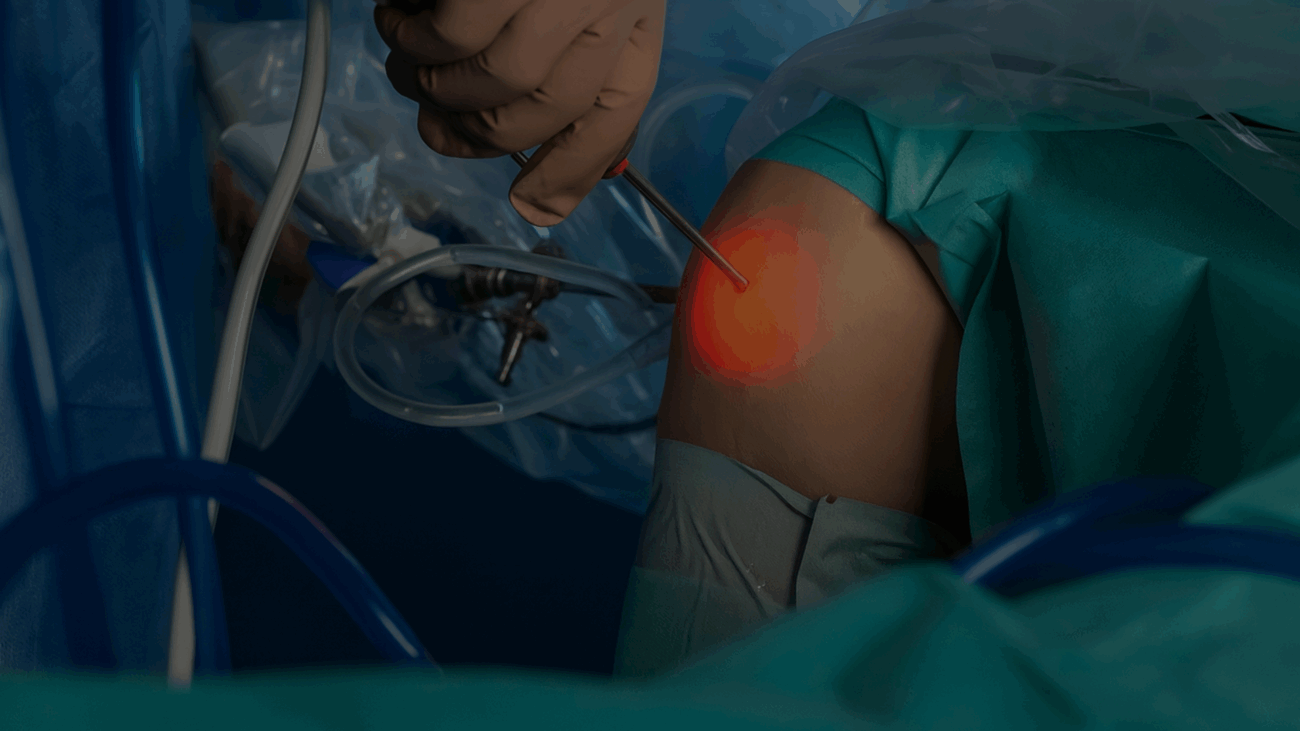
What if we could operate without opening? Arthroscopy allows to explore and treat the inside of a joint thanks to a miniaturized camera. Less invasive, more precise, it promotes rapid recovery with minimal scarring.

Anterior Cruciate Ligament (ACL) Tear : causes, symptoms and treatment

A cracking, sudden pain, a feeling of the knee dropping? Rupture of the ACL is common, especially among athletes. What are the signs to recognize? How to confirm the diagnosis? And what are the treatment options, with or without surgery? An essential guide to understand and react well.

Knee pain after a fall: should you be worried?

Knee pain after a fall is common, but it can sometimes mask an underlying injury. Learn about the signs to watch for and when to consult a doctor.

Knee swelling: why does it occur after exercise?

Knee swelling after physical activity can be benign or reveal an injury: these are the signs that should raise concern and prompt a consultation.

My knee has cracked: is it serious?

A cracked knee can be alarming. Is it serious? Discover the possible causes and when to see a doctor.

Knee pain after a twist: ligament, meniscus or simply a wrong move?

After a knee sprain, the pain can originate from the ligaments, the meniscus, or a sudden, awkward movement. Learn how to tell the difference and when to consult a doctor.

Knee pain after sports: is this normal?

Knee pain after exercise is common, but it shouldn't be ignored. Overuse, injury, or the onset of osteoarthritis: discover the possible causes and when to consult a doctor.

Knee pain: common causes and when to consult a doctor?

Knee pain is common and can have many causes: sprain, injury, osteoarthritis, or overuse. Should you be worried about knee pain? Discover the most common causes and when to consult a doctor to prevent the condition from worsening.

Why does my knee hurt? The most common causes explained

Knee pain can appear for no apparent reason or after exertion. Injury, arthritis, meniscus or ligament problems—the causes are numerous. Discover why your knee hurts and when to see a doctor.

Degenerative meniscal lesions: understanding meniscus wear

A degenerative meniscal tear corresponds to a progressive wear and tear of the meniscus, often causing mechanical pain and functional impairment of the knee. Identifying a meniscal lesion allows for tailored treatment and limits the progression of joint damage.

Traumatic meniscal tears: pain in the meniscus after an impact

Traumatic meniscal tears most often result from a sudden twisting motion of the knee, particularly during sports activities, in young people. They manifest as acute pain, sometimes joint locking, and may require conservative or surgical treatment depending on the severity.

Meniscus surgery : when is it necessary to operate?

A meniscal tear is not always synonymous with surgery, but it can become one. Pain, blockage, persistent discomfort: some signs should alert. When to prioritize conservative treatment? When to consider surgery? A clear point to make the right decision.

Knee pain after a fall: should you be worried?

Knee pain after a fall is common, but it can sometimes mask an underlying injury. Learn about the signs to watch for and when to consult a doctor.

Knee swelling: why does it occur after exercise?

Knee swelling after physical activity can be benign or reveal an injury: these are the signs that should raise concern and prompt a consultation.

My knee has cracked: is it serious?

A cracked knee can be alarming. Is it serious? Discover the possible causes and when to see a doctor.

Knee pain after a twist: ligament, meniscus or simply a wrong move?

After a knee sprain, the pain can originate from the ligaments, the meniscus, or a sudden, awkward movement. Learn how to tell the difference and when to consult a doctor.

Twisted knee or wrong move: what to do immediately?

A twisted knee or a sudden movement of the knee can cause sharp pain. Should you be worried? Find out what to do immediately and when to see a doctor.

Knee pain after a sprain: is this normal?

Knee pain after a sprain can persist for several weeks. Find out what's normal, the warning signs, and when to see a doctor.

Knee pain: common causes and when to consult a doctor?

Knee pain is common and can have many causes: sprain, injury, osteoarthritis, or overuse. Should you be worried about knee pain? Discover the most common causes and when to consult a doctor to prevent the condition from worsening.

Why does my knee hurt? The most common causes explained

Knee pain can appear for no apparent reason or after exertion. Injury, arthritis, meniscus or ligament problems—the causes are numerous. Discover why your knee hurts and when to see a doctor.

Knee sprain: understanding the symptoms, assessing the severity and knowing when to seek emergency care

A knee sprain is a common injury following trauma, a sudden movement, or a sharp twist. It can cause pain, swelling, and sometimes knee instability, the severity of which varies depending on the extent of ligament damage. Some sprains that appear minor may conceal more serious injuries. A prompt medical evaluation can determine the severity and prevent complications.

Anterior cruciate ligament (ACL) injuries associated with other knee injuries

An anterior cruciate ligament (ACL) tear is frequently associated with other knee injuries, such as meniscal or cartilage damage. Identifying an ACL tear and its associated injuries allows for tailored treatment and helps preserve knee stability.

Knee instability related to the anterior cruciate ligament: how to recognize it?

Knee instability is a common consequence of anterior cruciate ligament (ACL) injuries, often felt as a knee that gives way. Identifying instability helps prevent secondary injuries and preserve knee function in the long term.

Anterior cruciate ligament (ACL) rupture: the unmistakable symptoms

An anterior cruciate ligament (ACL) rupture is a major knee injury, often causing acute pain, swelling, and instability. Early recognition of a rupture allows for targeted treatment and helps limit long-term complications.

Anterior cruciate ligament (ACL) sprain: abnormal stretching of the ligament

An anterior cruciate ligament (ACL) sprain is a common knee injury that can cause pain, swelling, and instability. Early identification of an ACL sprain allows for appropriate treatment and minimizes long-term consequences.

Anterior cruciate ligament surgery : why, when and how to intervene?

A sagging knee, persistent instability... and often, a question: should we operate? The rupture of the anterior cruciate ligament is not always synonymous with surgery, but certain situations require it. Here’s how to decide when the right time is and what to expect if the intervention is necessary.

Muscle and tendon tears: when should intervention be necessary?

Not all tears require surgery, but some cannot heal without it. When the lesion is extensive or poorly healed, surgical management may be required to regain strength, mobility and function. Here is how to evaluate the need for it.

Fracture surgery : when is it necessary to intervene?

Not all fractures require surgery but some cannot do without it. Mobility, alignment, consolidation: surgery sometimes ensures optimal recovery and avoids long-term complications. Here are the cases in which it is necessary.

Arthroscopy : high-precision, minimally invasive surgery

What if we could operate without opening? Arthroscopy allows to explore and treat the inside of a joint thanks to a miniaturized camera. Less invasive, more precise, it promotes rapid recovery with minimal scarring.

Anterior Cruciate Ligament (ACL) Tear : causes, symptoms and treatment

A cracking, sudden pain, a feeling of the knee dropping? Rupture of the ACL is common, especially among athletes. What are the signs to recognize? How to confirm the diagnosis? And what are the treatment options, with or without surgery? An essential guide to understand and react well.

Knee pain after a fall: should you be worried?

Knee pain after a fall is common, but it can sometimes mask an underlying injury. Learn about the signs to watch for and when to consult a doctor.

Femur fracture: a fracture requiring immediate medical attention

A femoral fracture is a major medical emergency, usually resulting from significant trauma. It manifests as sudden pain, an inability to walk, and sometimes a visible deformity of the lower limb. When it affects the area near the knee, it directly compromises joint mobility. Immediate treatment is essential to limit complications and preserve limb function.

Tibial plateau fracture: a fracture requiring emergency treatment

A tibial plateau fracture is a serious knee fracture directly affecting the joint surface. It most often occurs after a violent trauma and causes intense pain, rapid swelling, and an inability to bear weight. This fracture carries a high risk of long-term consequences if it is not treated promptly. Urgent consultation is essential to preserve knee function.

Open fractures: understanding the risks, treatments and management

An open fracture is a serious injury combining a bone fracture and a skin wound, exposing the bone to the outside. It is a medical emergency requiring immediate treatment to limit the risk of infection and complications.

Stress fractures: understanding a common injury among athletes and learning how to prevent them

A stress fracture is a progressive fracture caused by repeated stress, common in athletes. Early recognition helps prevent further damage, complete fracture, and prolonged periods of inactivity.

Pathological fractures: definition, causes, symptoms and when to consult a doctor

A pathological fracture is a fracture occurring in a weakened bone, sometimes without trauma or after minimal impact. Recognizing it early allows for the identification of an underlying disease and the adaptation of treatment.

Traumatic fractures: definition, symptoms and when to seek emergency care

A traumatic fracture is a fracture that occurs after a violent impact or trauma. Recognizing it quickly allows for urgent treatment and limits functional complications.

Anterior cruciate ligament surgery : why, when and how to intervene?

A sagging knee, persistent instability... and often, a question: should we operate? The rupture of the anterior cruciate ligament is not always synonymous with surgery, but certain situations require it. Here’s how to decide when the right time is and what to expect if the intervention is necessary.

Knee swelling: why does it occur after exercise?

Knee swelling after physical activity can be benign or reveal an injury: these are the signs that should raise concern and prompt a consultation.

Knee pain when going up stairs: what does it mean?

Knee pain when climbing stairs is common and often related to the kneecap. Discover the possible causes and when to consult a doctor to prevent the condition from worsening.

Knee pain: common causes and when to consult a doctor?

Knee pain is common and can have many causes: sprain, injury, osteoarthritis, or overuse. Should you be worried about knee pain? Discover the most common causes and when to consult a doctor to prevent the condition from worsening.

Why does my knee hurt? The most common causes explained

Knee pain can appear for no apparent reason or after exertion. Injury, arthritis, meniscus or ligament problems—the causes are numerous. Discover why your knee hurts and when to see a doctor.

Knee cartilage lesions: understanding the damage

A lesion of the knee cartilage is often silent, but can have a major impact on the mobility and progression of the joint. Identifying a lesion early helps limit its progression and reduce the risk of knee osteoarthritis.

Anterior cruciate ligament surgery : why, when and how to intervene?

A sagging knee, persistent instability... and often, a question: should we operate? The rupture of the anterior cruciate ligament is not always synonymous with surgery, but certain situations require it. Here’s how to decide when the right time is and what to expect if the intervention is necessary.

Muscle and tendon tears: when should intervention be necessary?

Not all tears require surgery, but some cannot heal without it. When the lesion is extensive or poorly healed, surgical management may be required to regain strength, mobility and function. Here is how to evaluate the need for it.

Fracture surgery : when is it necessary to intervene?

Not all fractures require surgery but some cannot do without it. Mobility, alignment, consolidation: surgery sometimes ensures optimal recovery and avoids long-term complications. Here are the cases in which it is necessary.

Meniscus surgery : when is it necessary to operate?

A meniscal tear is not always synonymous with surgery, but it can become one. Pain, blockage, persistent discomfort: some signs should alert. When to prioritize conservative treatment? When to consider surgery? A clear point to make the right decision.

Patellofemoral syndrome: understanding pain at the front of the knee

Patellofemoral pain syndrome is a common cause of pain in the front of the knee. Discover why it occurs and how to treat it effectively.

Patellar chondropathy: why does your knee hurt?

Patellar chondropathy is a common cause of kneecap pain. Discover why the cartilage deteriorates and how to find lasting relief from this knee pain.

Kneecap pain: why and what to do?

Knee pain is common during exertion or while sitting. Discover the main causes and solutions for effective relief.

Pain in the front of the knee: causes and effective solutions

Pain in the front of the knee is common, especially during exertion or while sitting. Discover the possible causes and solutions for effective relief.

Knee injury: mistakes to avoid after trauma

After a knee injury, certain mistakes can worsen the situation. Discover the pitfalls to avoid and the right reflexes for a proper recovery.

Knee pain after a fall: should you be worried?

Knee pain after a fall is common, but it can sometimes mask an underlying injury. Learn about the signs to watch for and when to consult a doctor.

Knee swelling: why does it occur after exercise?

Knee swelling after physical activity can be benign or reveal an injury: these are the signs that should raise concern and prompt a consultation.

Knee pain: what can be done for quick relief?

Do you have knee pain? Discover what to do immediately to relieve the pain and prevent it from getting worse, depending on the cause.

My knee has cracked: is it serious?

A cracked knee can be alarming. Is it serious? Discover the possible causes and when to see a doctor.

Knee pain when going up stairs: what does it mean?

Knee pain when climbing stairs is common and often related to the kneecap. Discover the possible causes and when to consult a doctor to prevent the condition from worsening.

Knee pain after a twist: ligament, meniscus or simply a wrong move?

After a knee sprain, the pain can originate from the ligaments, the meniscus, or a sudden, awkward movement. Learn how to tell the difference and when to consult a doctor.

Twisted knee or wrong move: what to do immediately?

A twisted knee or a sudden movement of the knee can cause sharp pain. Should you be worried? Find out what to do immediately and when to see a doctor.

Knee pain after sports: is this normal?

Knee pain after exercise is common, but it shouldn't be ignored. Overuse, injury, or the onset of osteoarthritis: discover the possible causes and when to consult a doctor.

Knee pain after a sprain: is this normal?

Knee pain after a sprain can persist for several weeks. Find out what's normal, the warning signs, and when to see a doctor.

Pain below the kneecap: common causes and treatment

Pain under the kneecap is often related to the patellar tendon or overuse. Discover the causes and solutions for effective relief.

Knee pain: common causes and when to consult a doctor?

Knee pain is common and can have many causes: sprain, injury, osteoarthritis, or overuse. Should you be worried about knee pain? Discover the most common causes and when to consult a doctor to prevent the condition from worsening.

Knee injury or fall: when should you worry?

After a blow to the knee or a fall, pain may appear immediately or later. Should you consult a doctor? Discover the signs to watch for and when to worry.

Why does my knee hurt? The most common causes explained

Knee pain can appear for no apparent reason or after exertion. Injury, arthritis, meniscus or ligament problems—the causes are numerous. Discover why your knee hurts and when to see a doctor.

Femur fracture: a fracture requiring immediate medical attention

A femoral fracture is a major medical emergency, usually resulting from significant trauma. It manifests as sudden pain, an inability to walk, and sometimes a visible deformity of the lower limb. When it affects the area near the knee, it directly compromises joint mobility. Immediate treatment is essential to limit complications and preserve limb function.

Tibial plateau fracture: a fracture requiring emergency treatment

A tibial plateau fracture is a serious knee fracture directly affecting the joint surface. It most often occurs after a violent trauma and causes intense pain, rapid swelling, and an inability to bear weight. This fracture carries a high risk of long-term consequences if it is not treated promptly. Urgent consultation is essential to preserve knee function.

Knee sprain: understanding the symptoms, assessing the severity and knowing when to seek emergency care

A knee sprain is a common injury following trauma, a sudden movement, or a sharp twist. It can cause pain, swelling, and sometimes knee instability, the severity of which varies depending on the extent of ligament damage. Some sprains that appear minor may conceal more serious injuries. A prompt medical evaluation can determine the severity and prevent complications.

Open fractures: understanding the risks, treatments and management

An open fracture is a serious injury combining a bone fracture and a skin wound, exposing the bone to the outside. It is a medical emergency requiring immediate treatment to limit the risk of infection and complications.

Knee locking and mechanical pain: what do these symptoms mean?

Knee locking and mechanical pain are common symptoms that can indicate an internal injury to the joint. When these symptoms persist or recur, a medical evaluation is essential to prevent further damage and preserve knee mobility.

Knee cartilage lesions: understanding the damage

A lesion of the knee cartilage is often silent, but can have a major impact on the mobility and progression of the joint. Identifying a lesion early helps limit its progression and reduce the risk of knee osteoarthritis.

Degenerative meniscal lesions: understanding meniscus wear

A degenerative meniscal tear corresponds to a progressive wear and tear of the meniscus, often causing mechanical pain and functional impairment of the knee. Identifying a meniscal lesion allows for tailored treatment and limits the progression of joint damage.

Traumatic meniscal tears: pain in the meniscus after an impact

Traumatic meniscal tears most often result from a sudden twisting motion of the knee, particularly during sports activities, in young people. They manifest as acute pain, sometimes joint locking, and may require conservative or surgical treatment depending on the severity.

Knee instability related to the anterior cruciate ligament: how to recognize it?

Knee instability is a common consequence of anterior cruciate ligament (ACL) injuries, often felt as a knee that gives way. Identifying instability helps prevent secondary injuries and preserve knee function in the long term.

Stress fractures: understanding a common injury among athletes and learning how to prevent them

A stress fracture is a progressive fracture caused by repeated stress, common in athletes. Early recognition helps prevent further damage, complete fracture, and prolonged periods of inactivity.

Patella Surgery : Indications, Techniques, and Recovery

Pain in the front of the knee, instability or repeated dislocations? Sometimes surgery becomes the best option. When should the kneecap be operated? What are the possible techniques? And how does the recovery take place? A complete point to better understand this targeted intervention.

Muscle and tendon tears: when should intervention be necessary?

Not all tears require surgery, but some cannot heal without it. When the lesion is extensive or poorly healed, surgical management may be required to regain strength, mobility and function. Here is how to evaluate the need for it.

Meniscus surgery : when is it necessary to operate?

A meniscal tear is not always synonymous with surgery, but it can become one. Pain, blockage, persistent discomfort: some signs should alert. When to prioritize conservative treatment? When to consider surgery? A clear point to make the right decision.

Anterior Cruciate Ligament (ACL) Tear : causes, symptoms and treatment

A cracking, sudden pain, a feeling of the knee dropping? Rupture of the ACL is common, especially among athletes. What are the signs to recognize? How to confirm the diagnosis? And what are the treatment options, with or without surgery? An essential guide to understand and react well.