

Knee MRI: in what cases is it necessary?
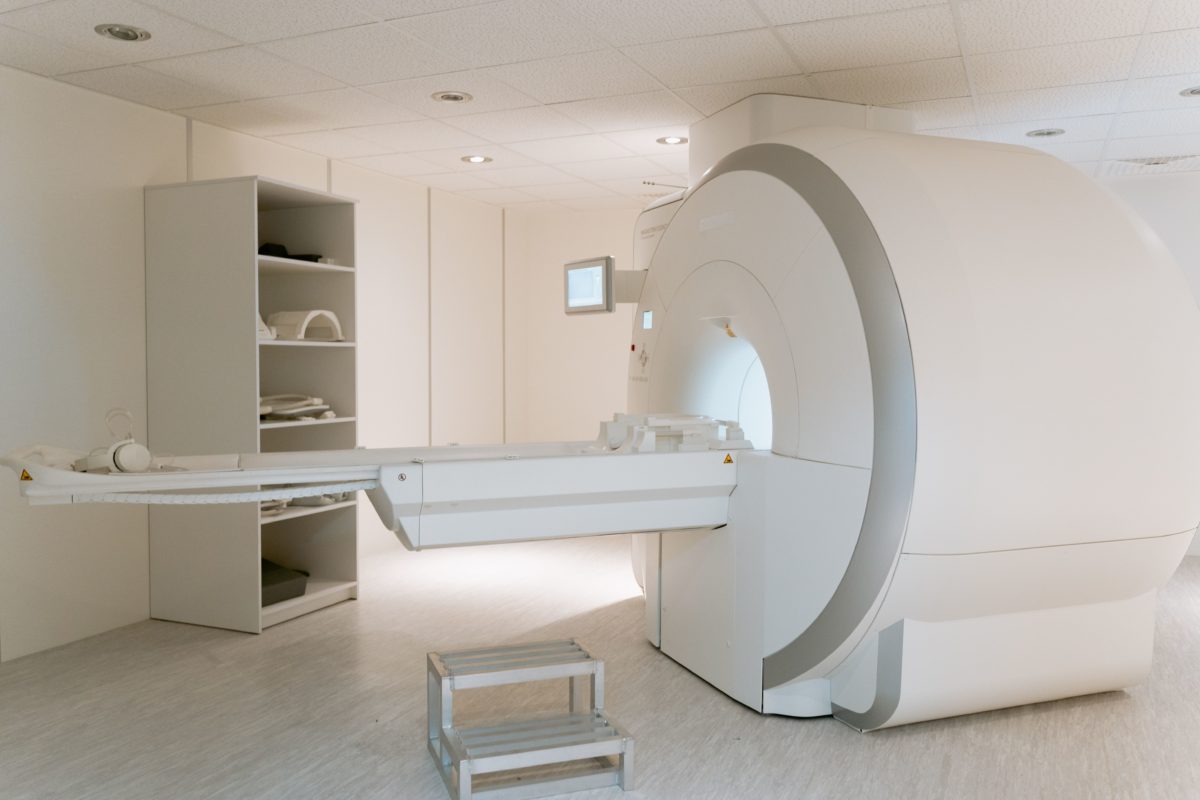
An MRI of the knee allows for a precise examination of the ligaments, menisci, cartilage, and other structures of the joint. However, it is not always necessary in cases of pain: discover in which situations it is truly useful.
Knee pain after a twist: ligament, meniscus or simply a wrong move?

After a knee sprain, the pain can originate from the ligaments, the meniscus, or a sudden, awkward movement. Learn how to tell the difference and when to consult a doctor.
Twisted knee or wrong move: what to do immediately?

A twisted knee or a sudden movement of the knee can cause sharp pain. Should you be worried? Find out what to do immediately and when to see a doctor.
Knee pain after a sprain: is this normal?

Knee pain after a sprain can persist for several weeks. Find out what's normal, the warning signs, and when to see a doctor.
My knee has cracked: is it serious?

A knee that cracks during exertion, a fall, or a twist is often a cause for concern, especially if it swells afterward. This article explains when this cracking sound is harmless, when it indicates an injury, and when to seek medical help promptly.
Knee sprain: understanding the symptoms, assessing the severity and knowing when to seek emergency care

A knee sprain often occurs after a twist, a sudden movement, or a fall, and is accompanied by pain, swelling, and sometimes a feeling of instability. Learn how to assess its severity, the correct first aid measures, and when to seek emergency medical attention.
Anterior cruciate ligament (ACL) injuries associated with other knee injuries

Anterior cruciate ligament (ACL) injuries are often accompanied by other knee problems: meniscus, cartilage, or collateral ligament. Discover which are the most common, how to identify them, and why they change the treatment approach.
Knee instability related to the anterior cruciate ligament: how to recognize it?

Knee instability, the sensation that the knee is giving way or buckling, is often linked to an anterior cruciate ligament (ACL) injury. This article explains how to recognize it, why it shouldn't be ignored, and when to consult a doctor.
Anterior cruciate ligament (ACL) rupture: the unmistakable symptoms
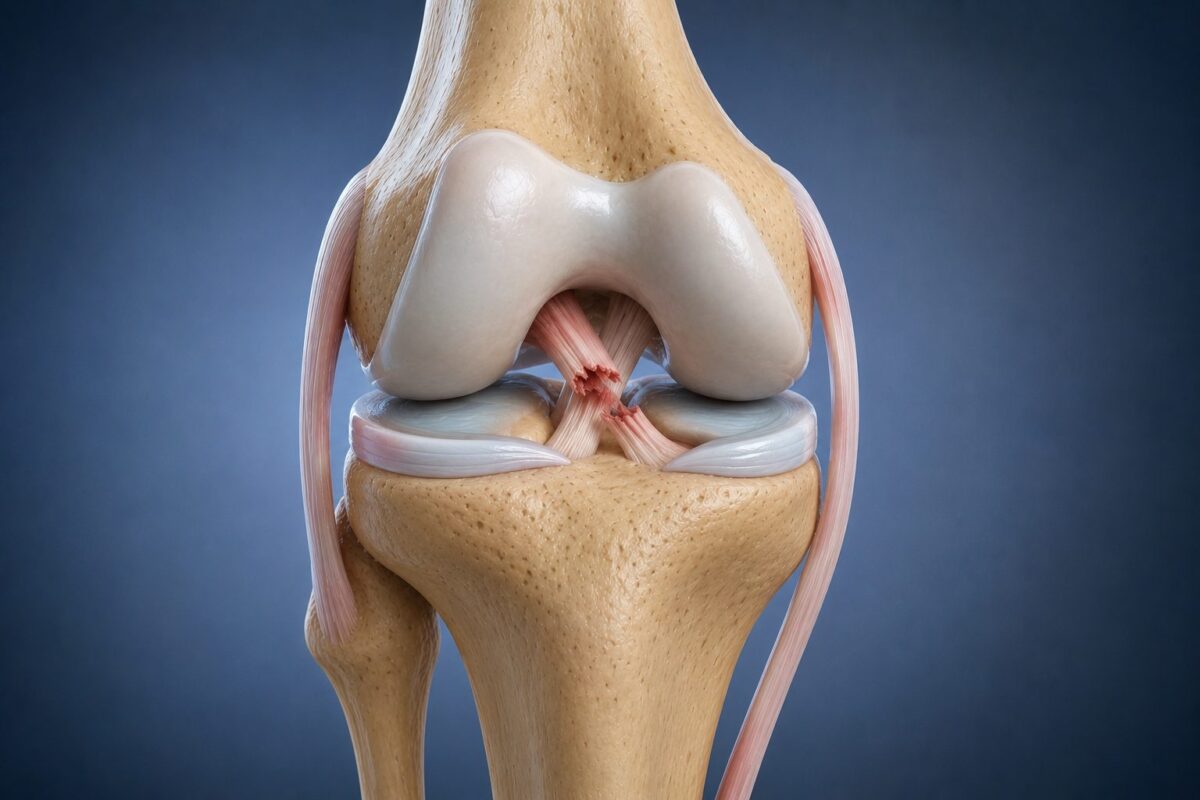
A popping sound, a sharp pain, then a swollen and buckling knee: these are the typical signs of an anterior cruciate ligament (ACL) rupture. This article details the symptoms, the diagnosis, and why you shouldn't delay seeking medical help.
Anterior cruciate ligament (ACL) sprain: abnormal stretching of the ligament

An anterior cruciate ligament (ACL) sprain occurs when the ligament is stretched beyond its limits, often during a twisting of the knee. This article explains how to recognize it, distinguish it from a rupture, and what treatments to consider.